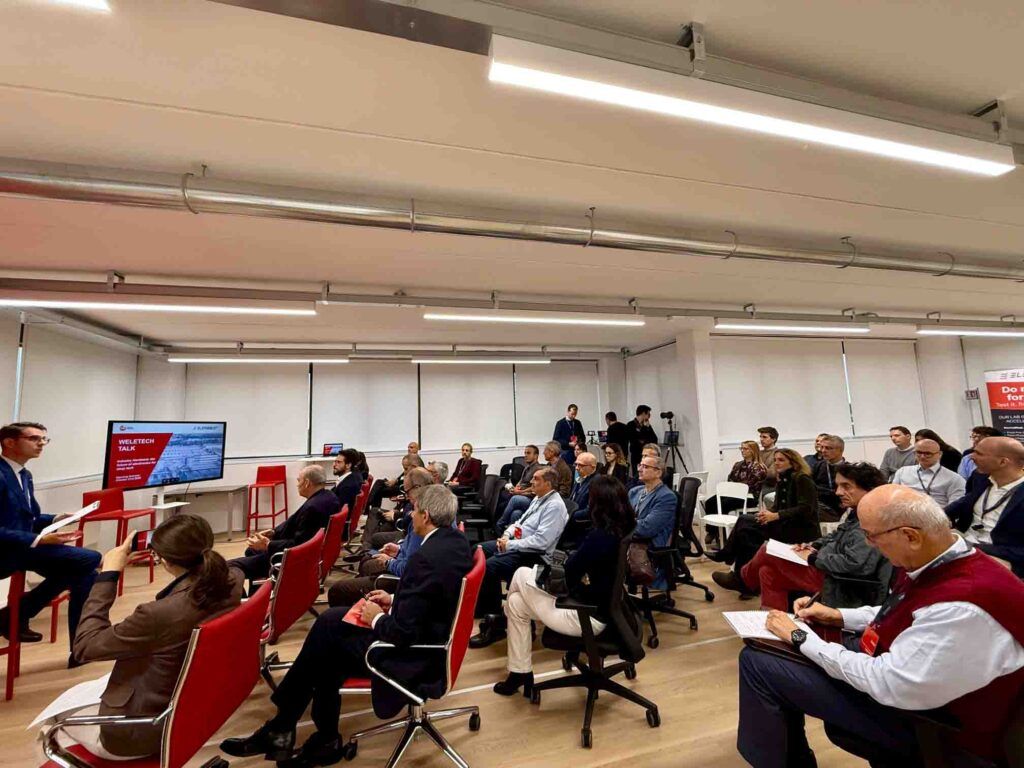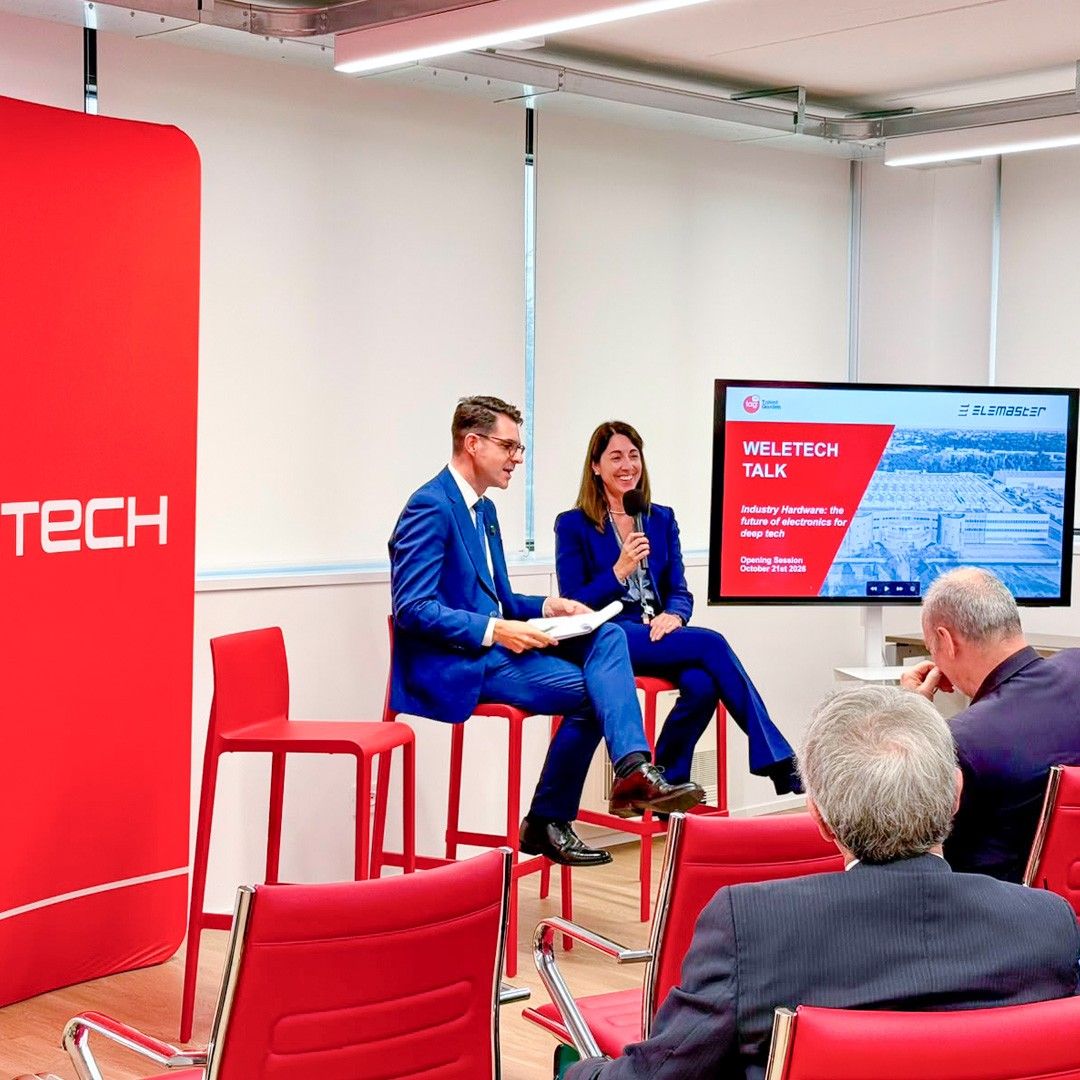
Artificial intelligence, quantum computing and emerging chip architectures are creating new opportunities for technological development. Yet transforming these advances into industrial products involves much more than scientific research. It requires a combination of engineering expertise, manufacturing capabilities and supply chains capable of turning promising technologies into reliable solutions ready for the market.
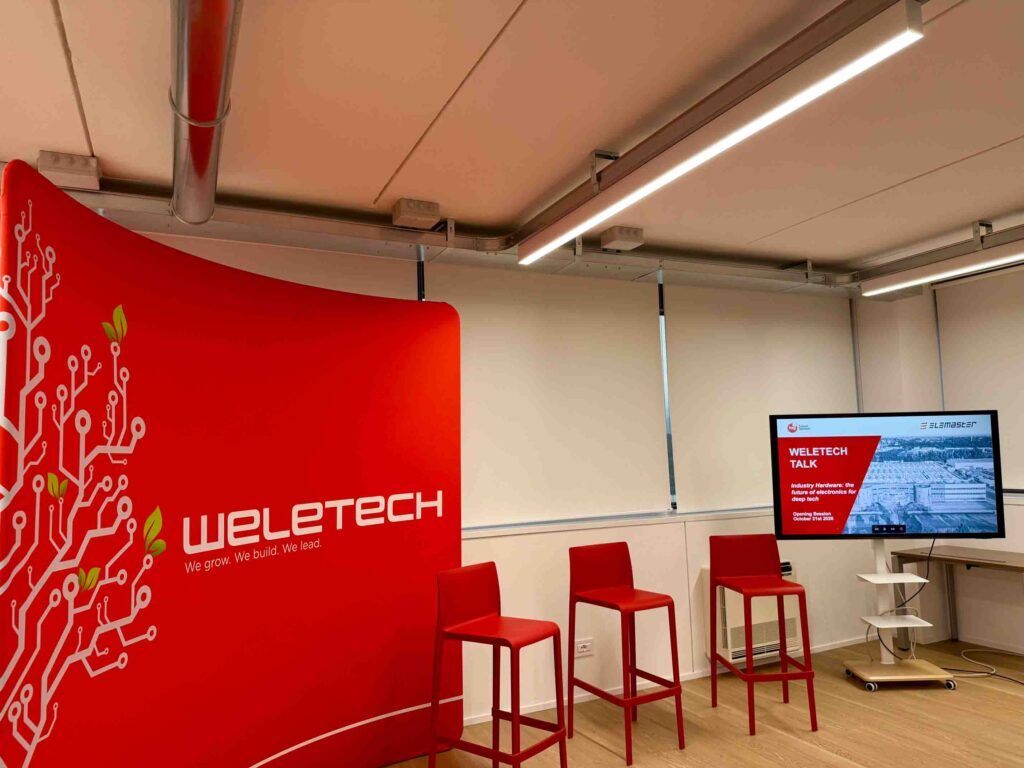
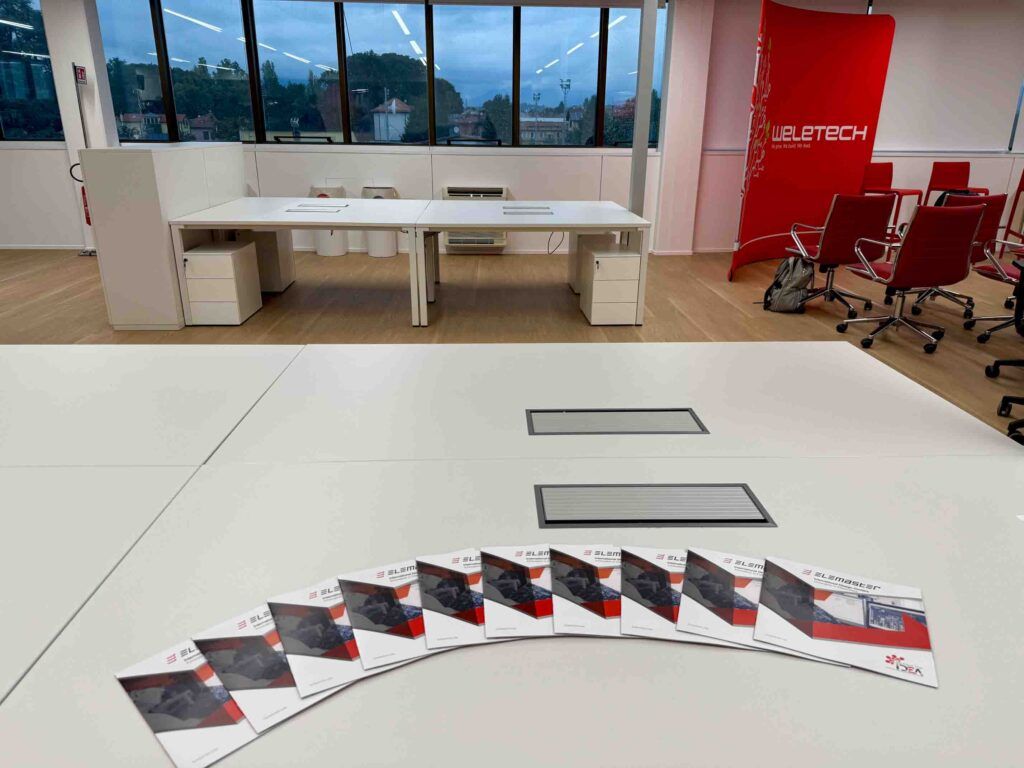
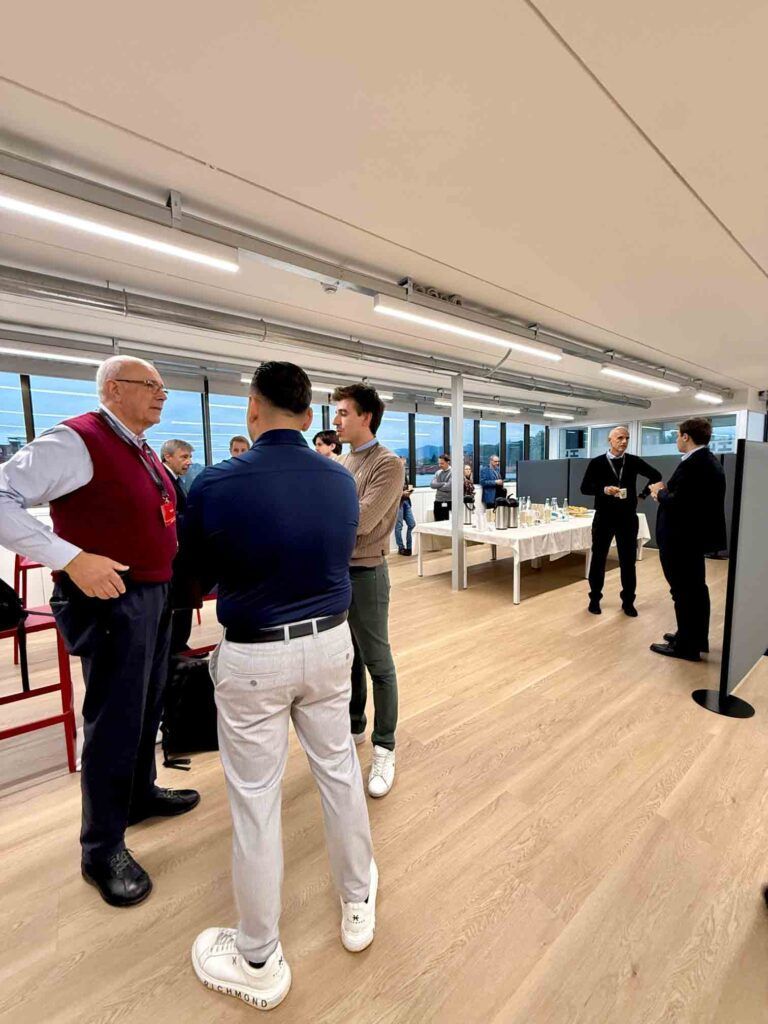
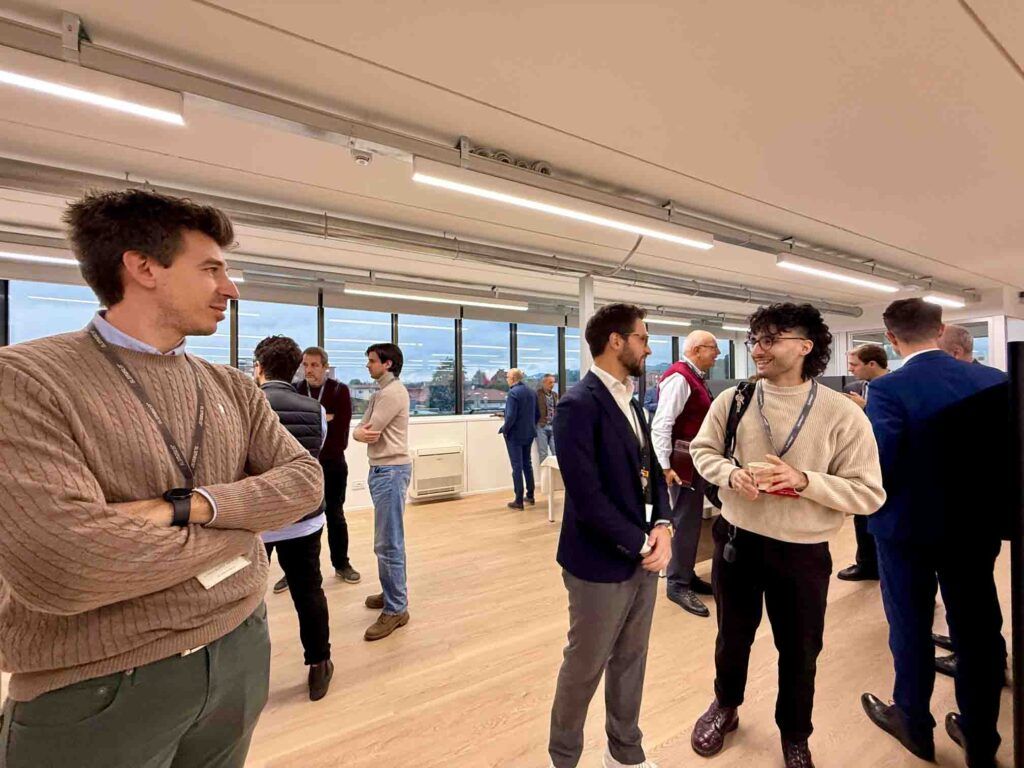
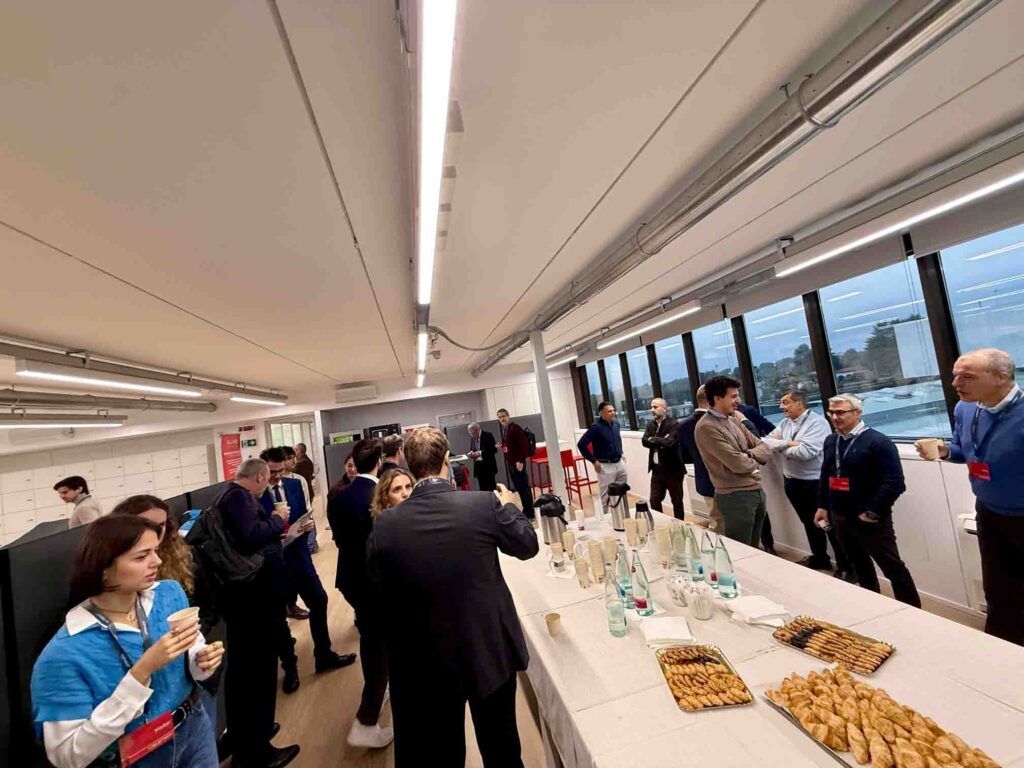
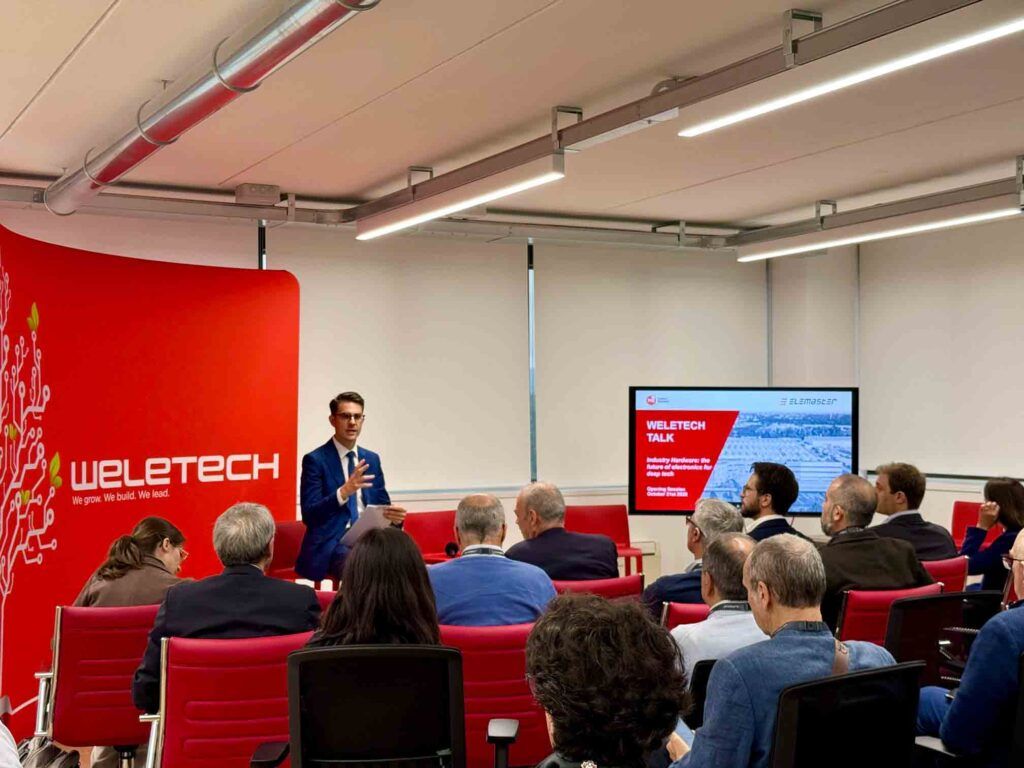
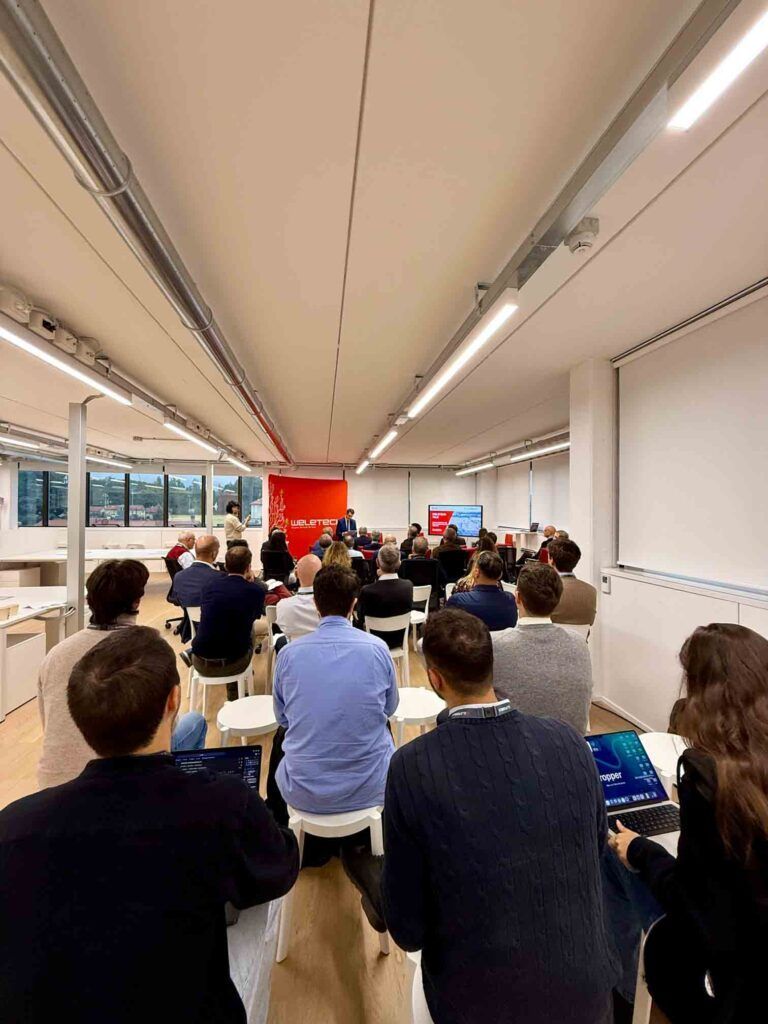
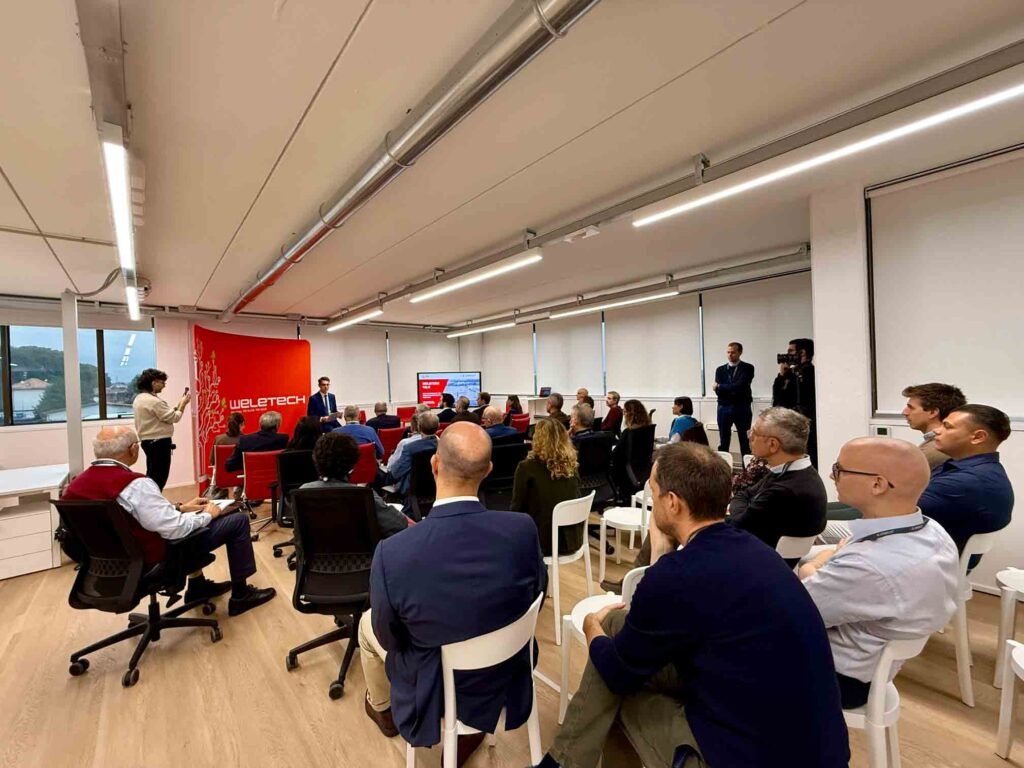
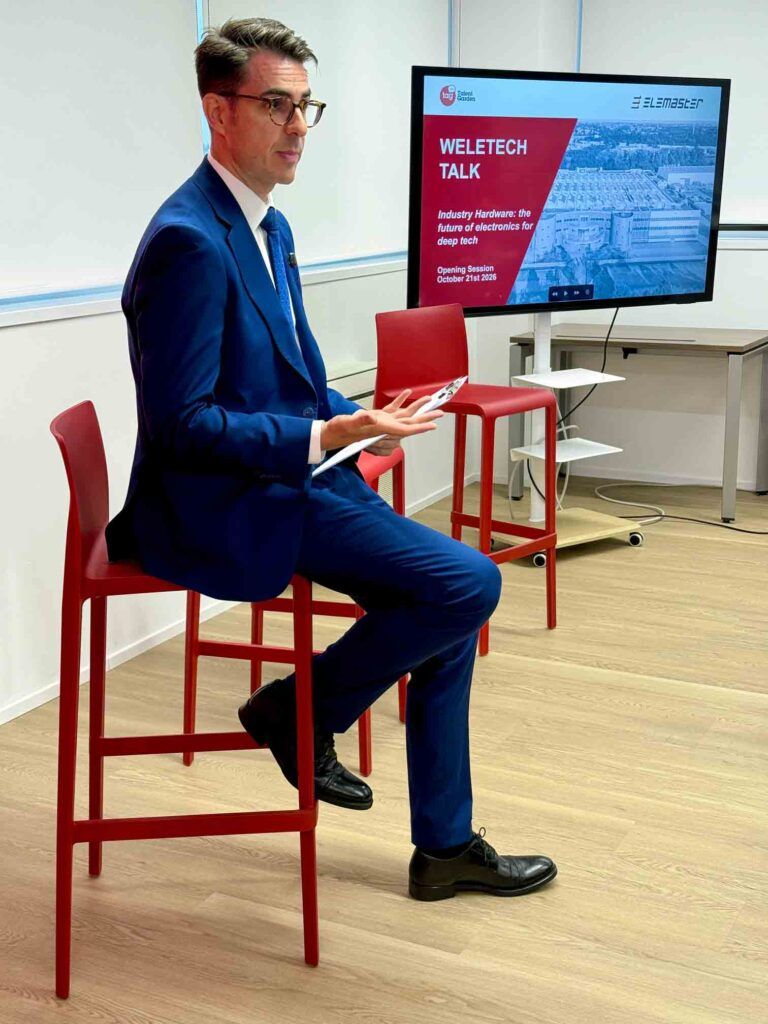
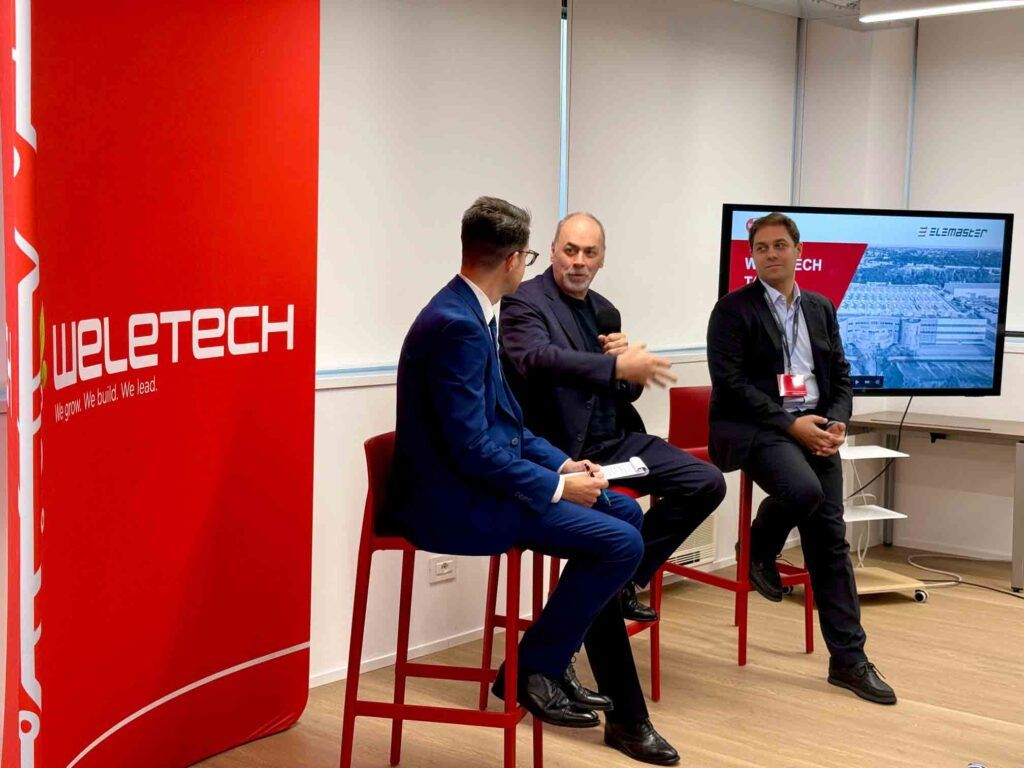
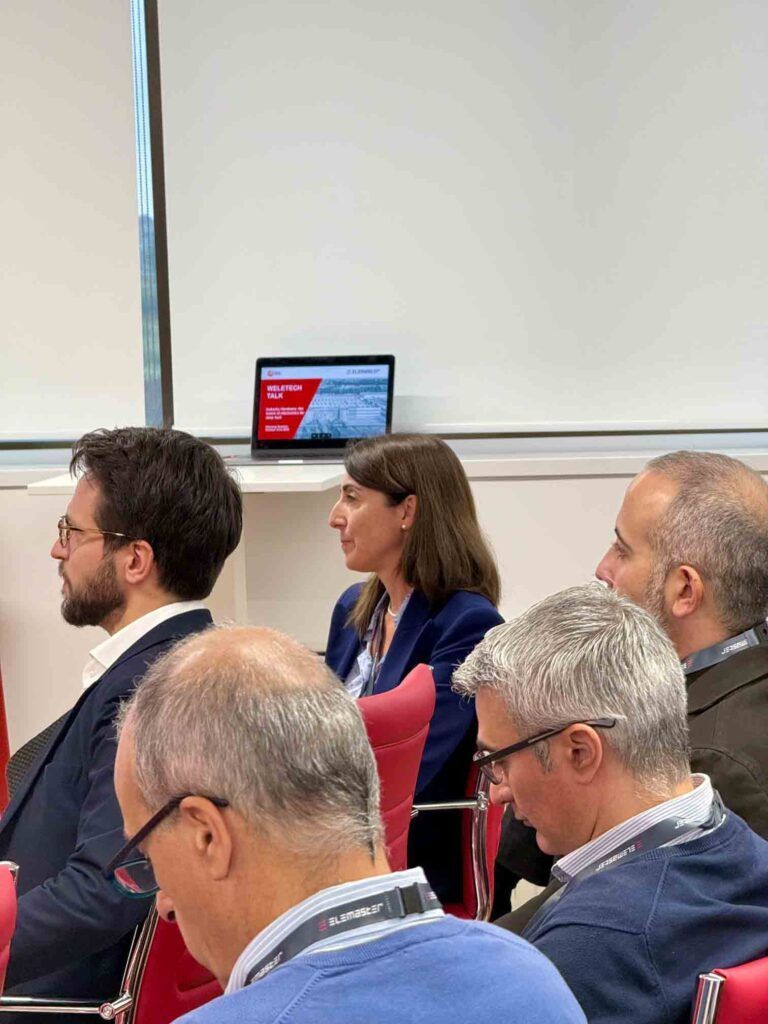
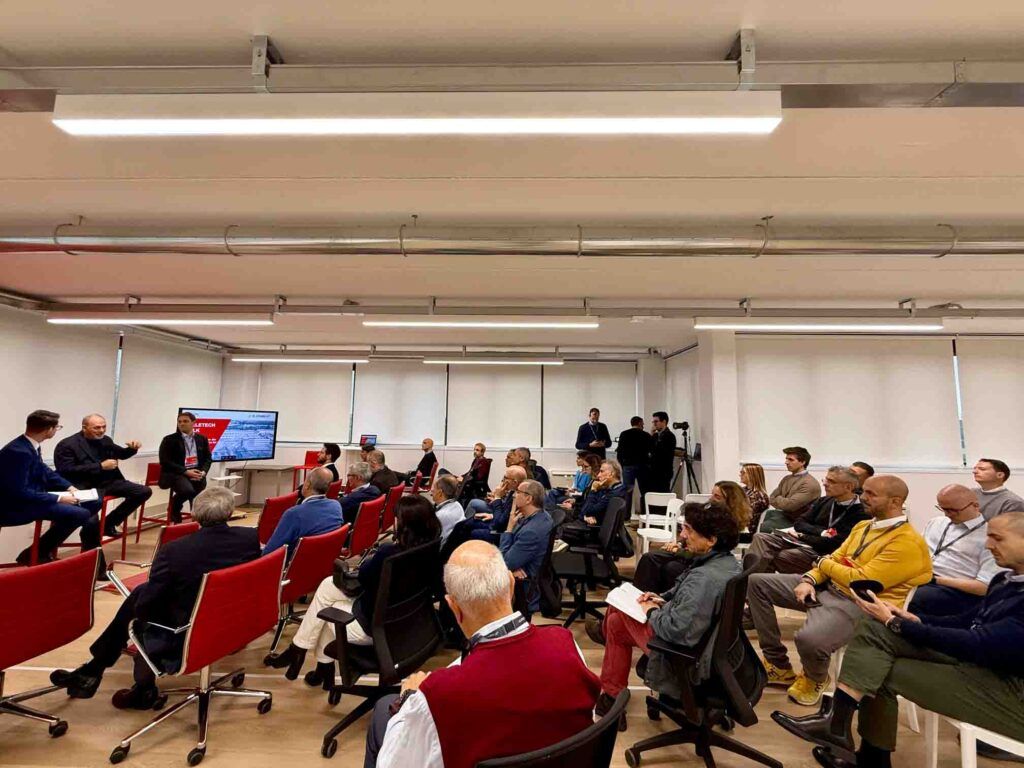
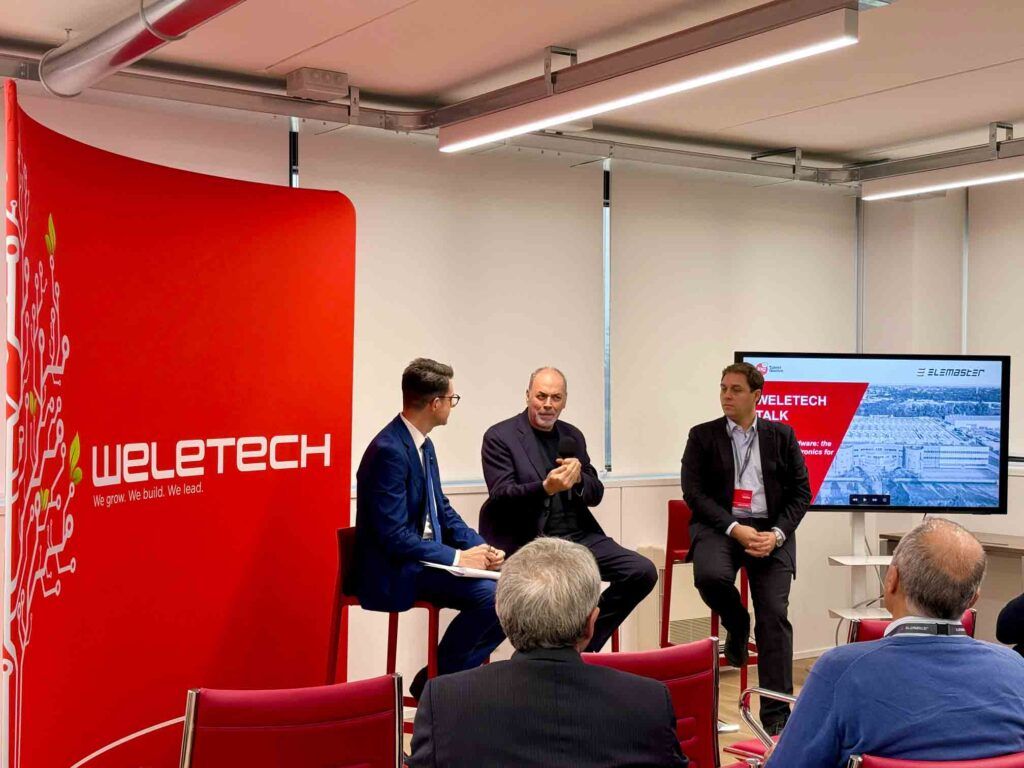
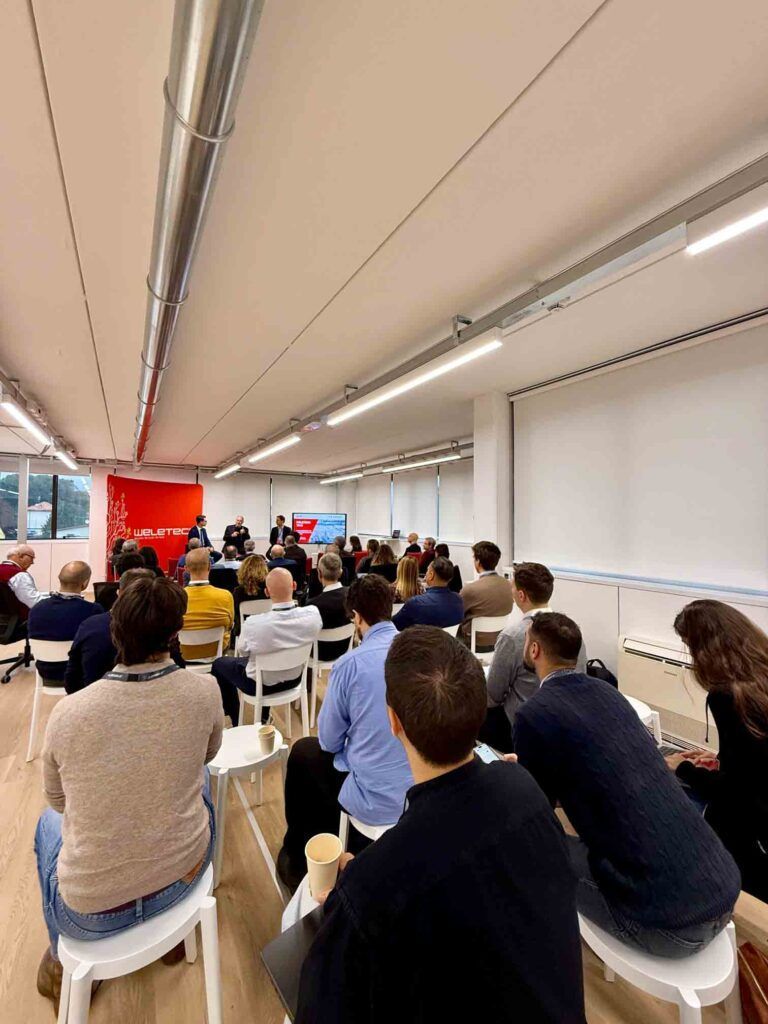
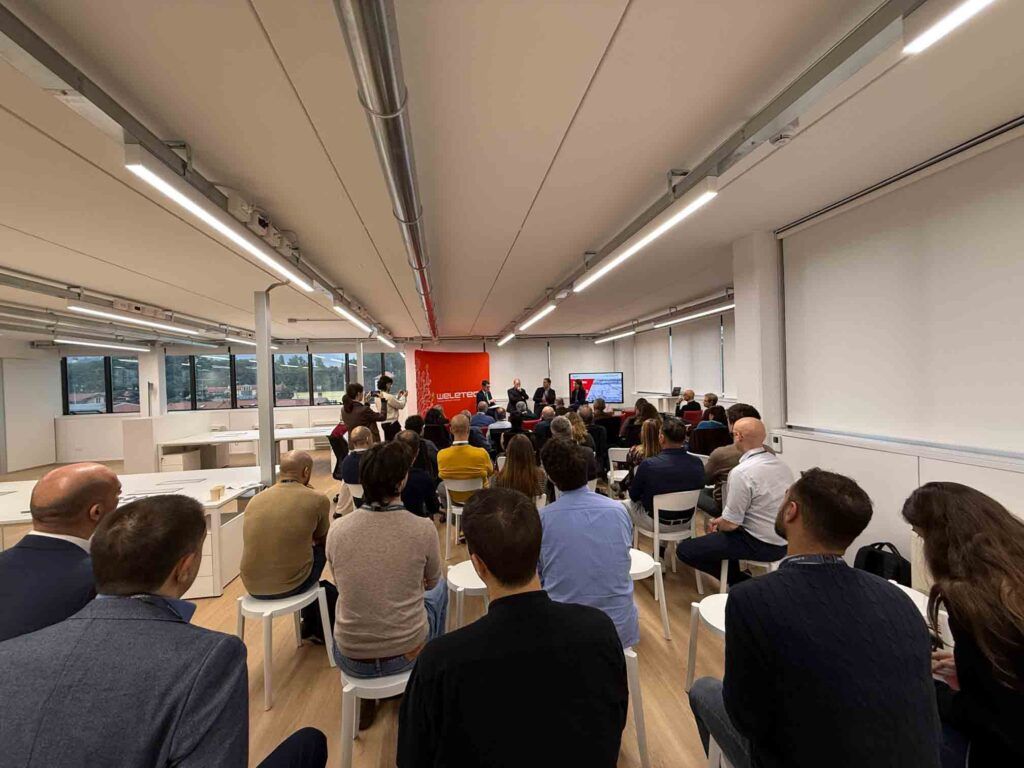
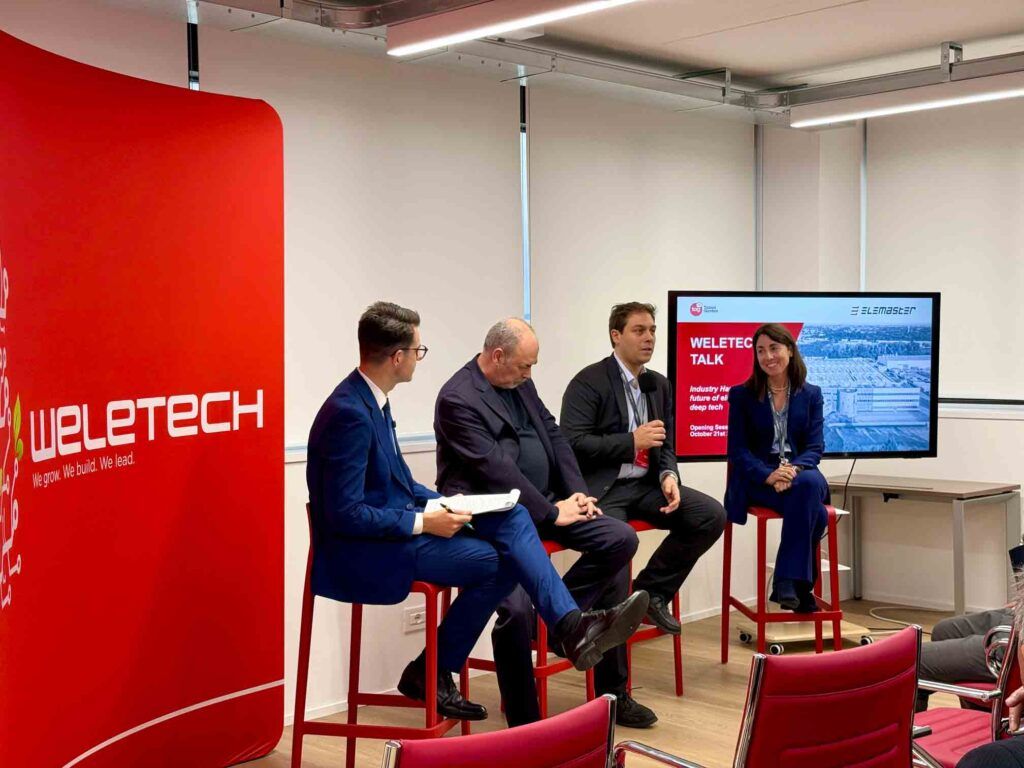
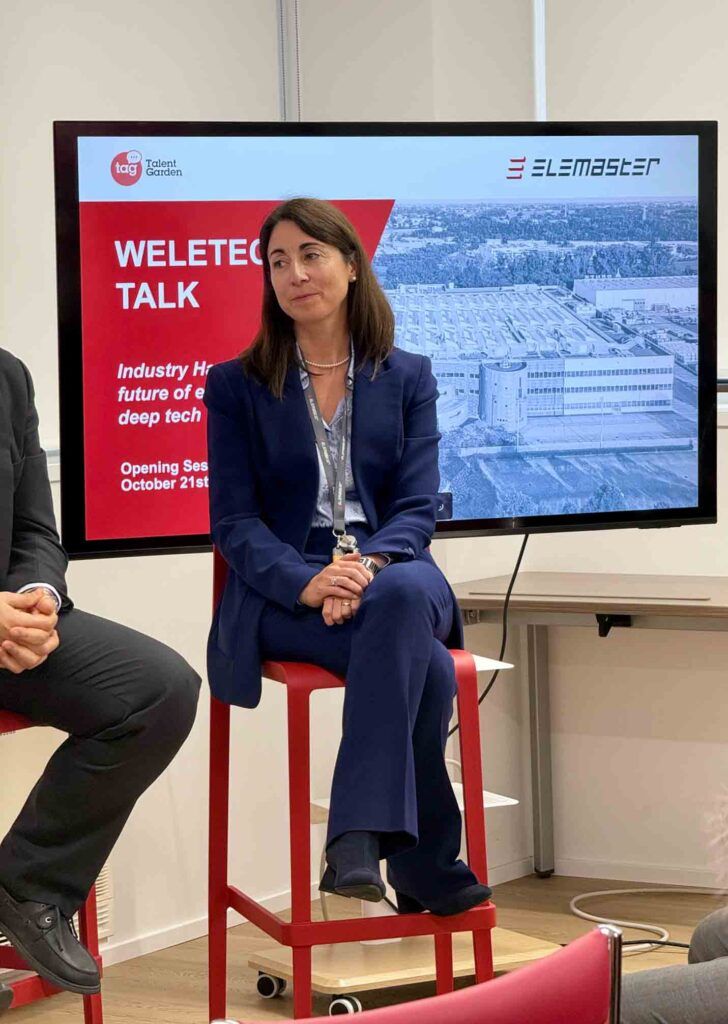
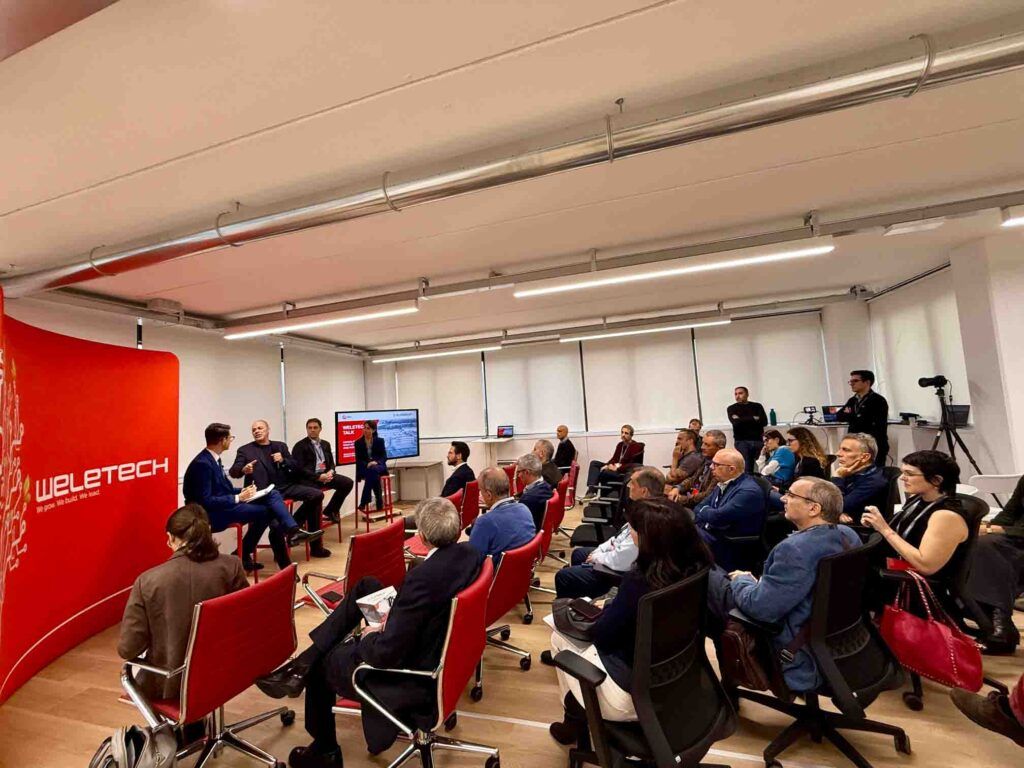
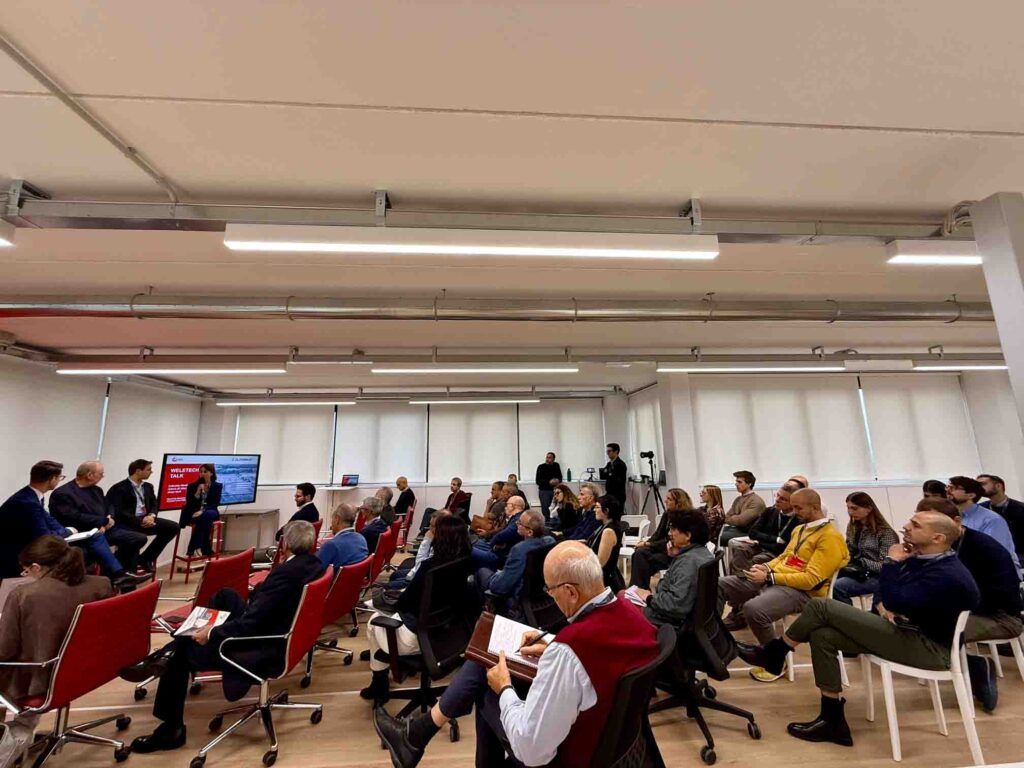
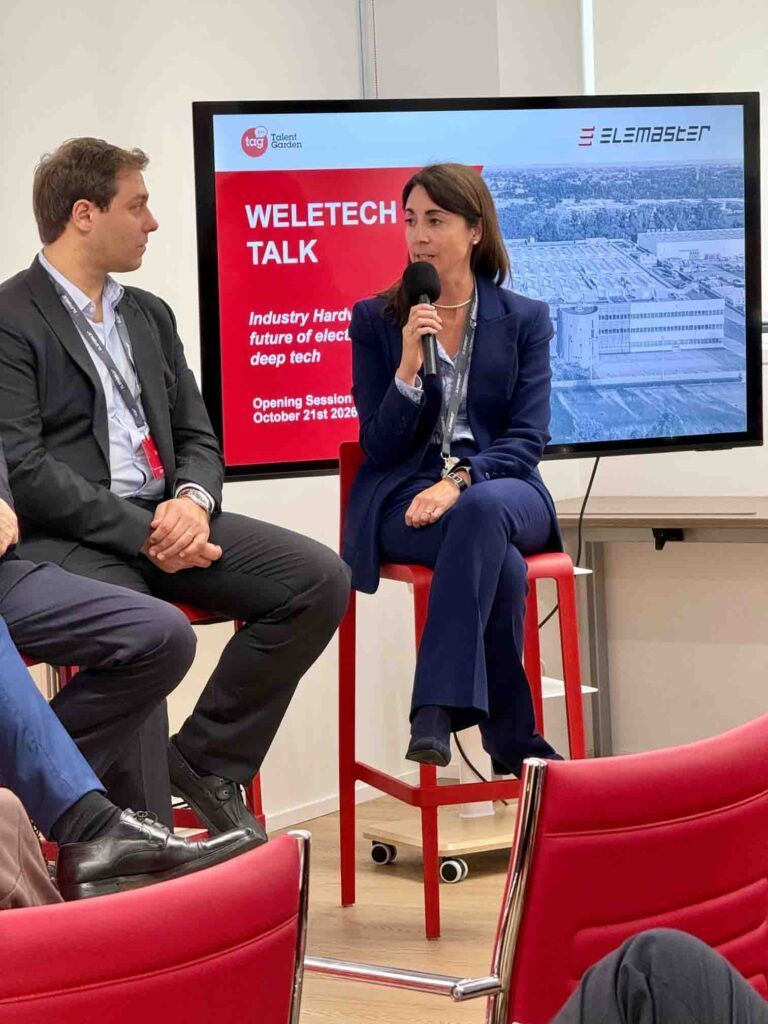
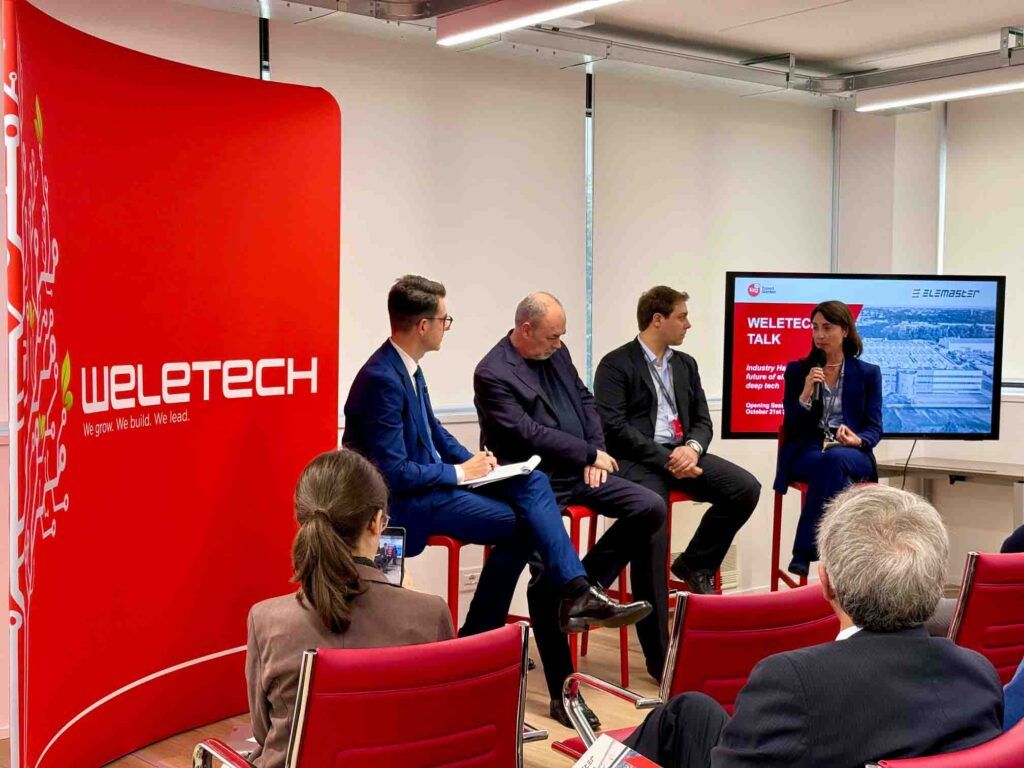
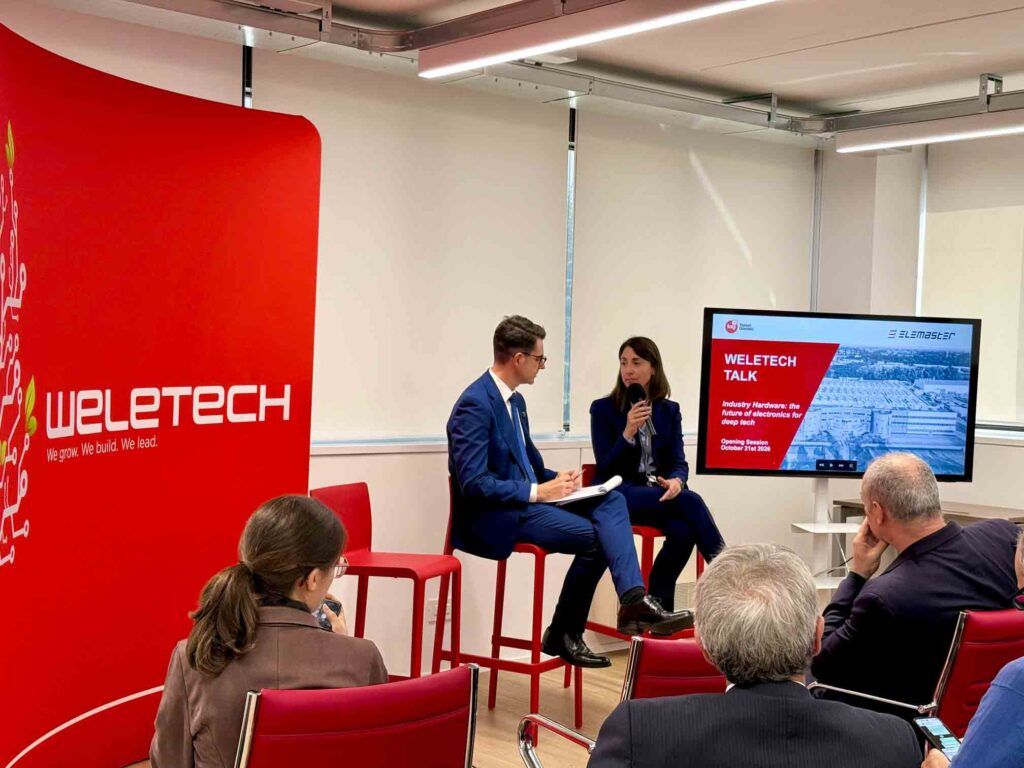
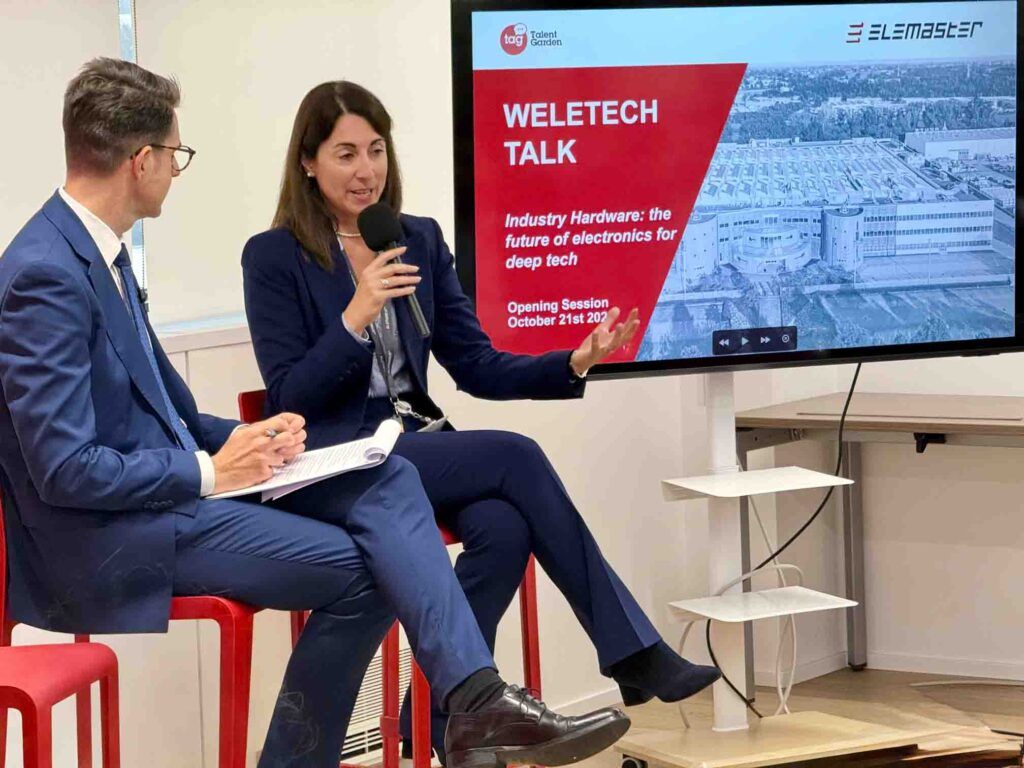
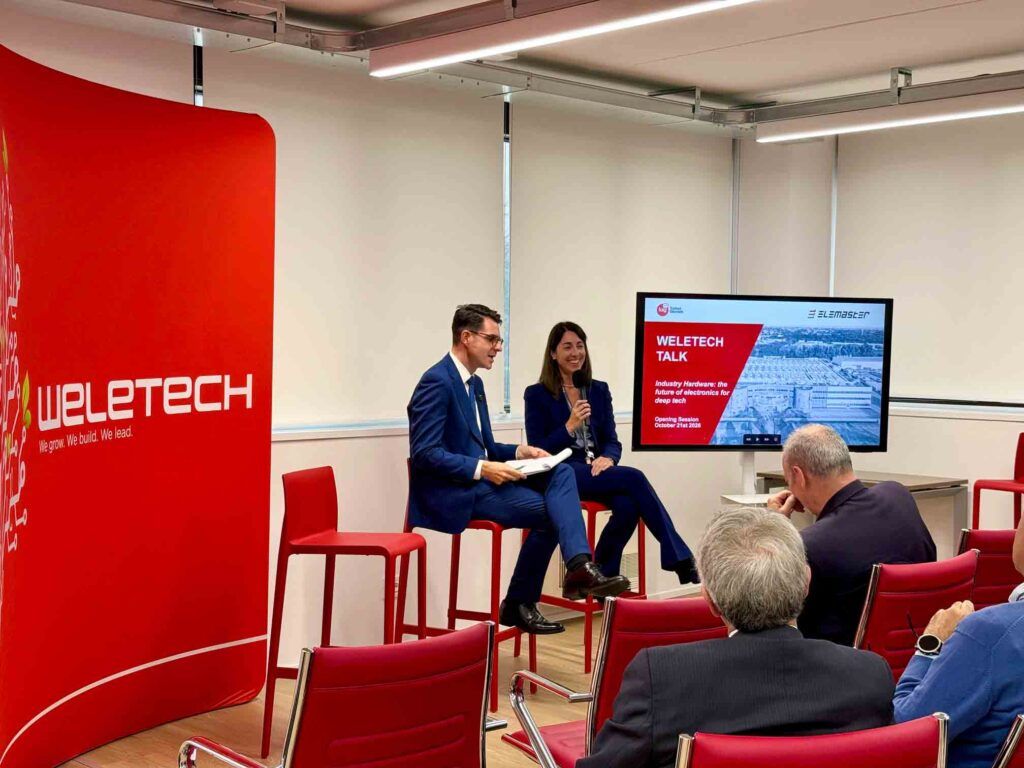
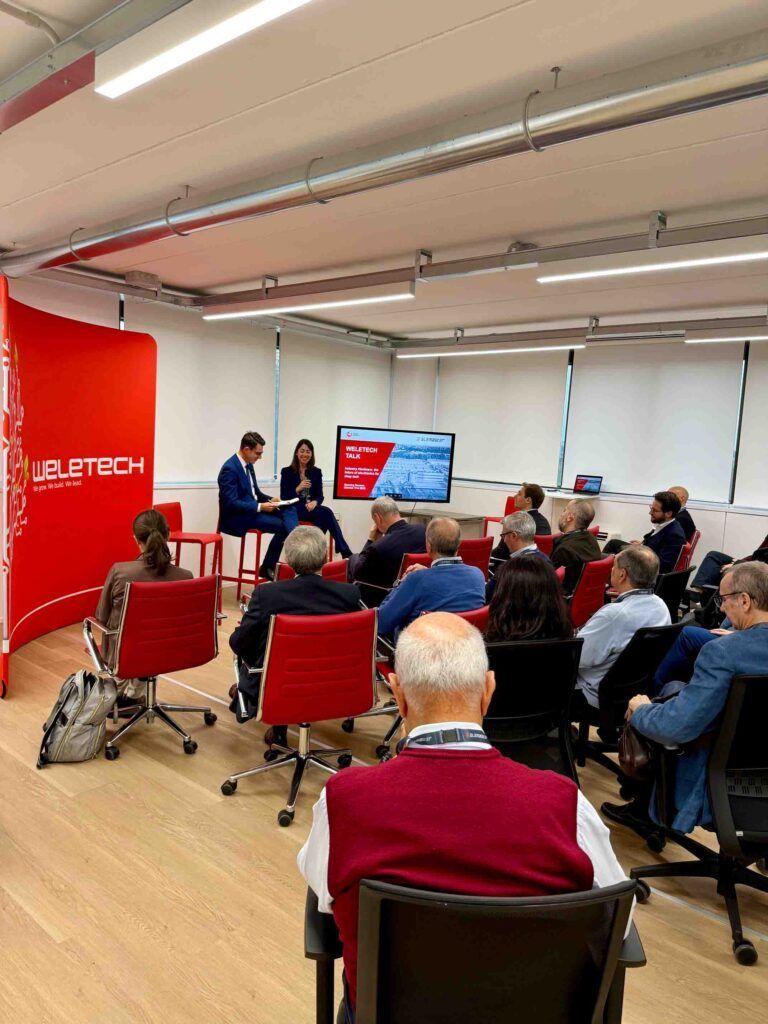
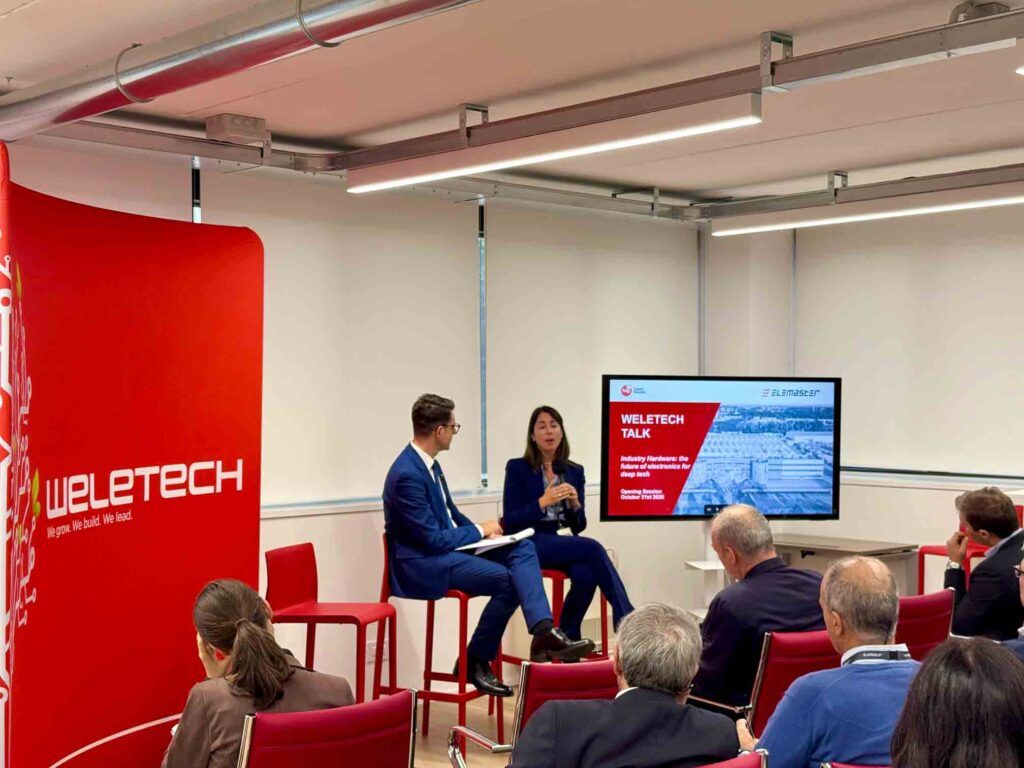
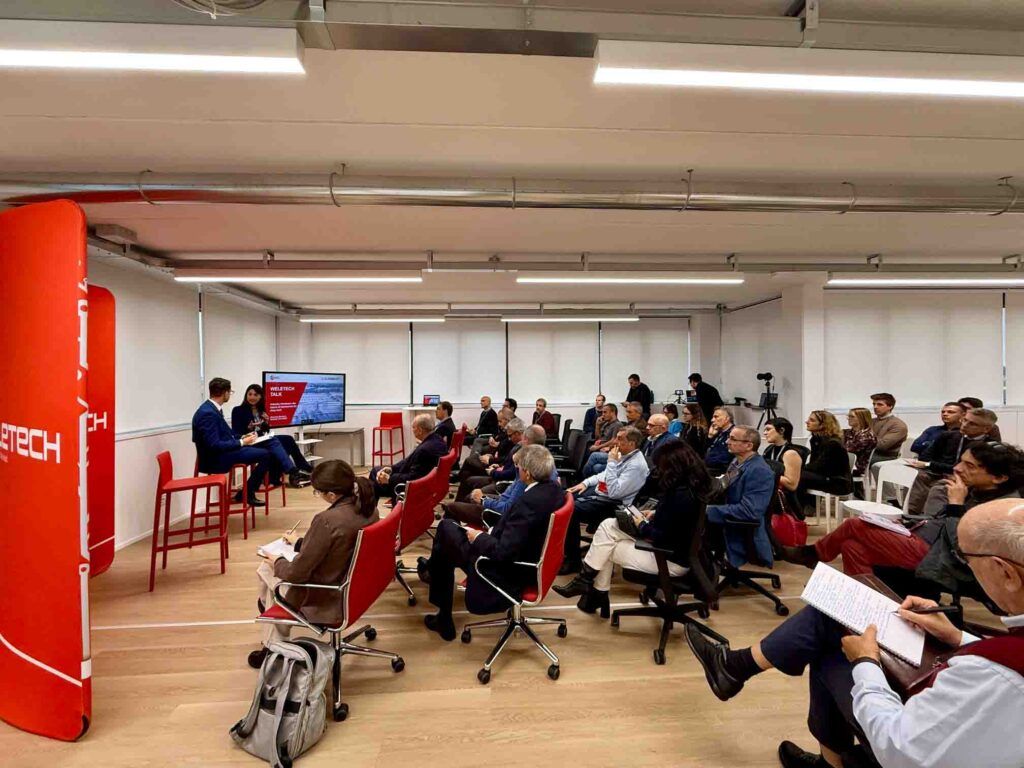
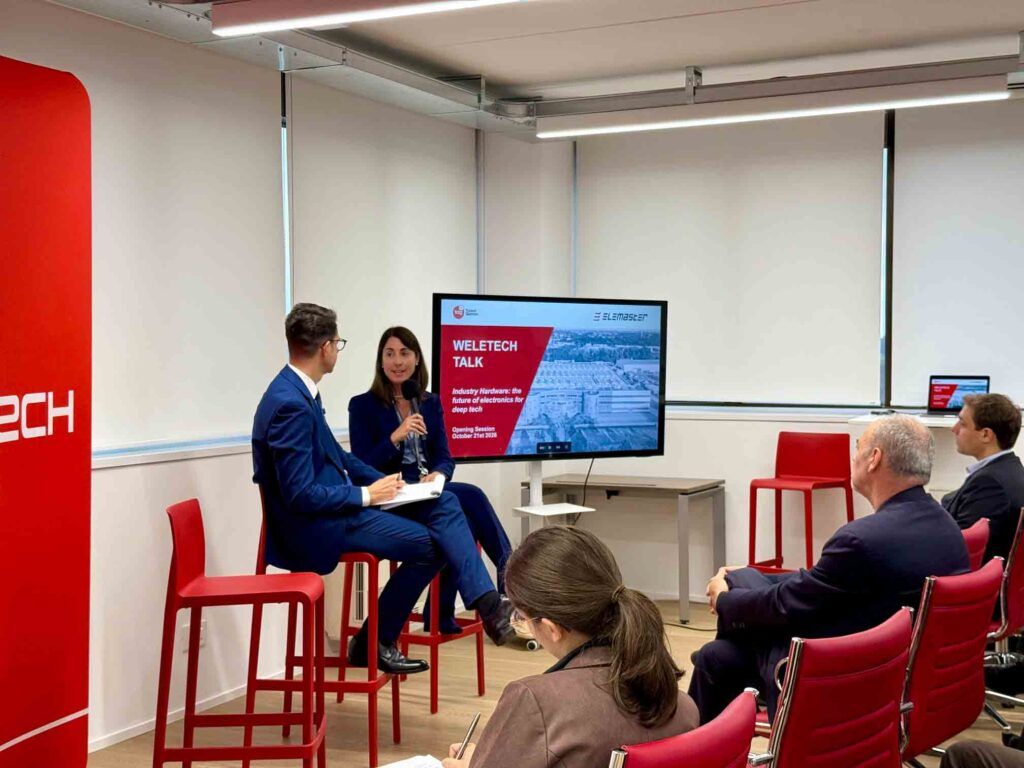
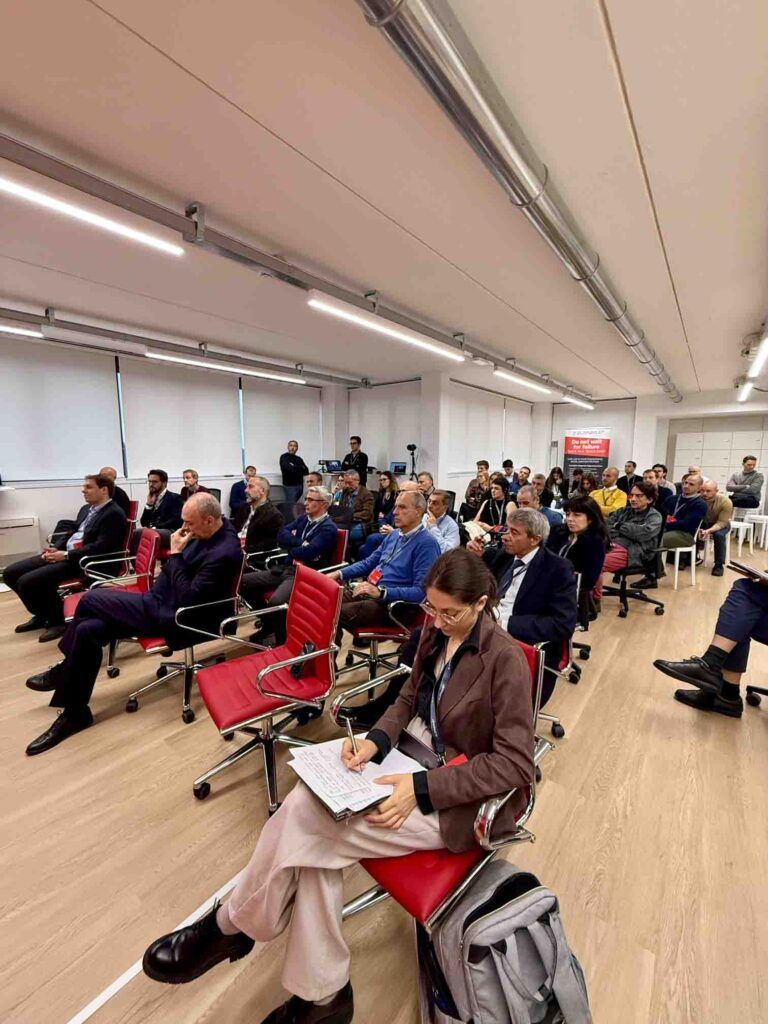
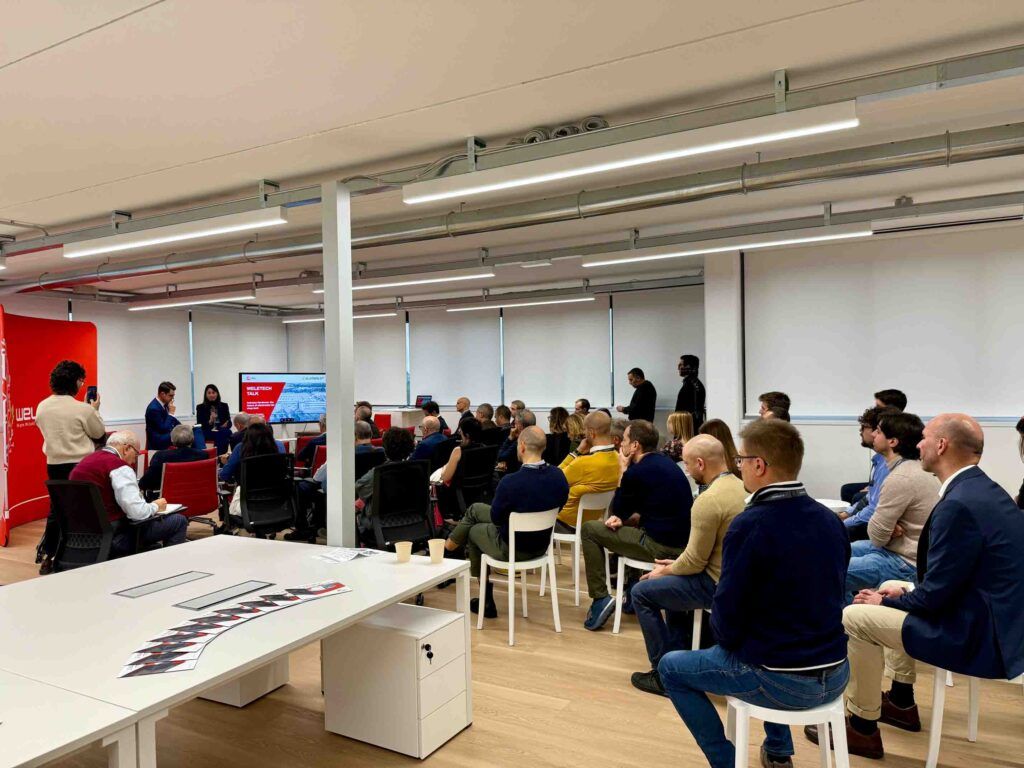
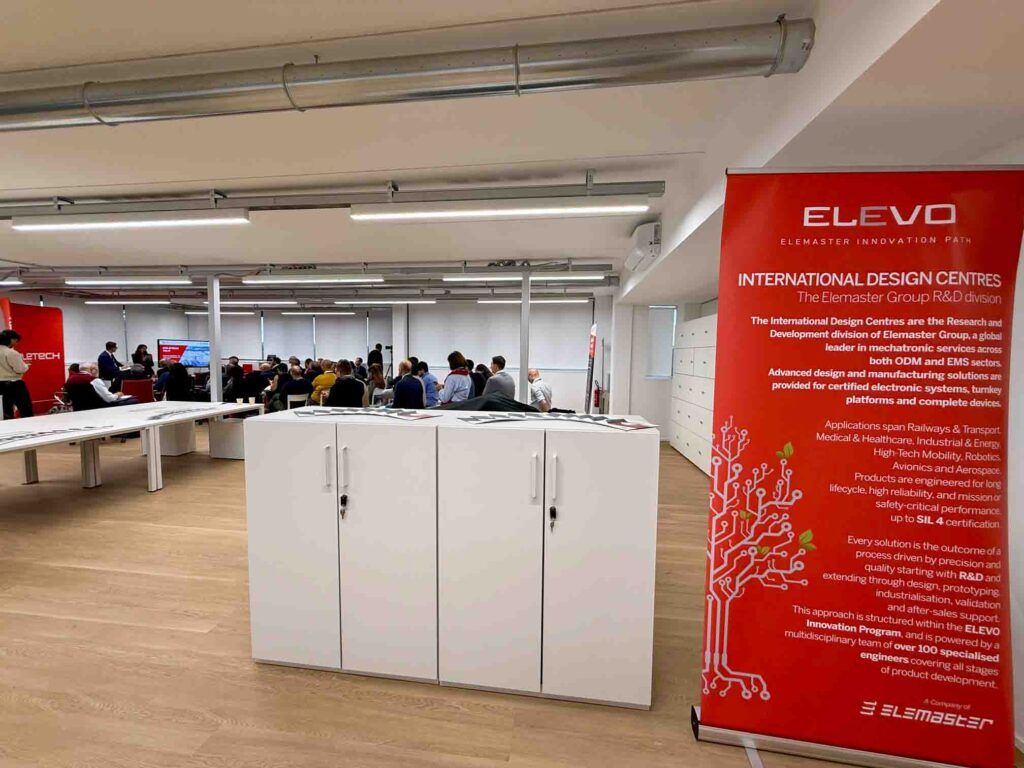
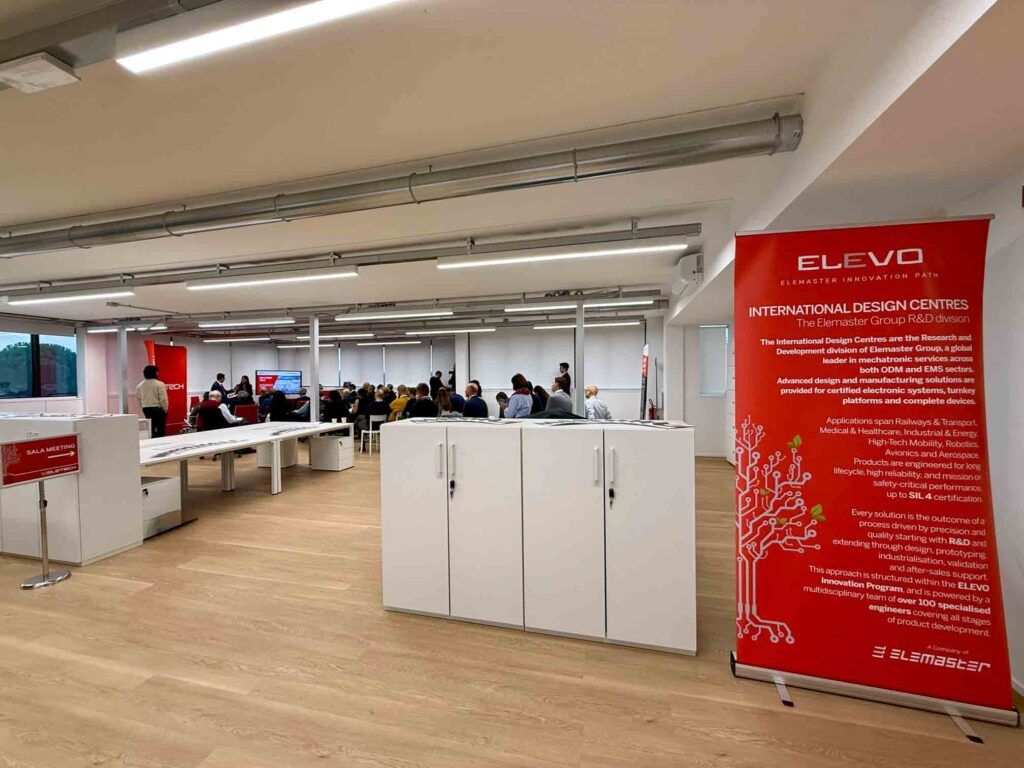
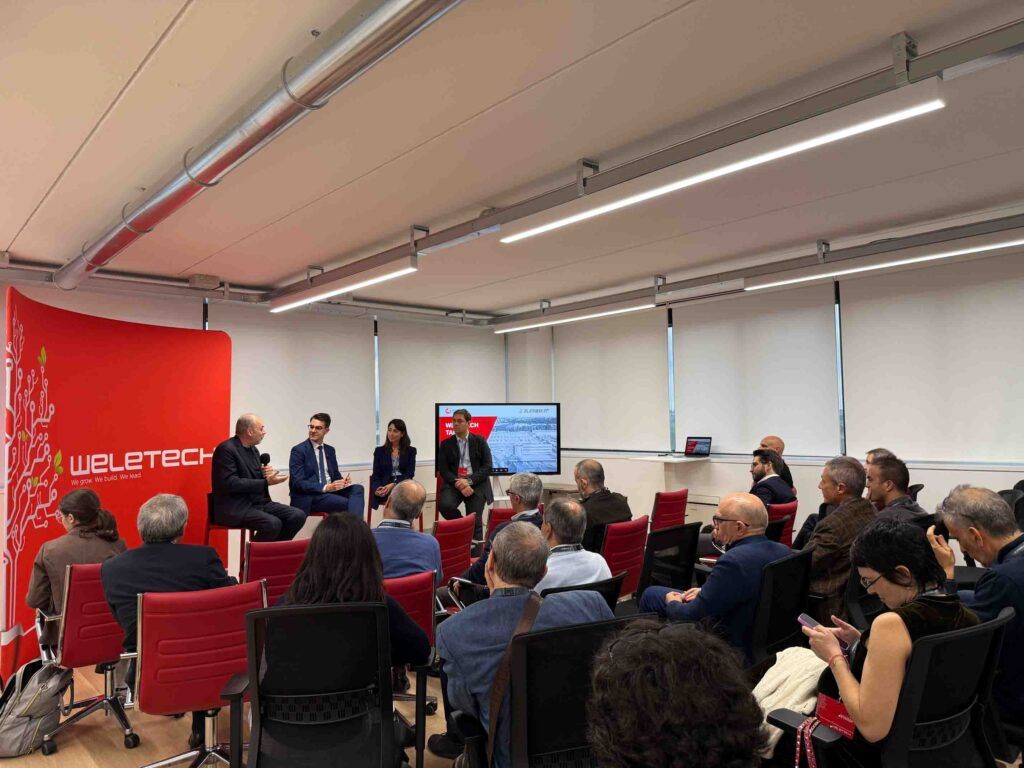
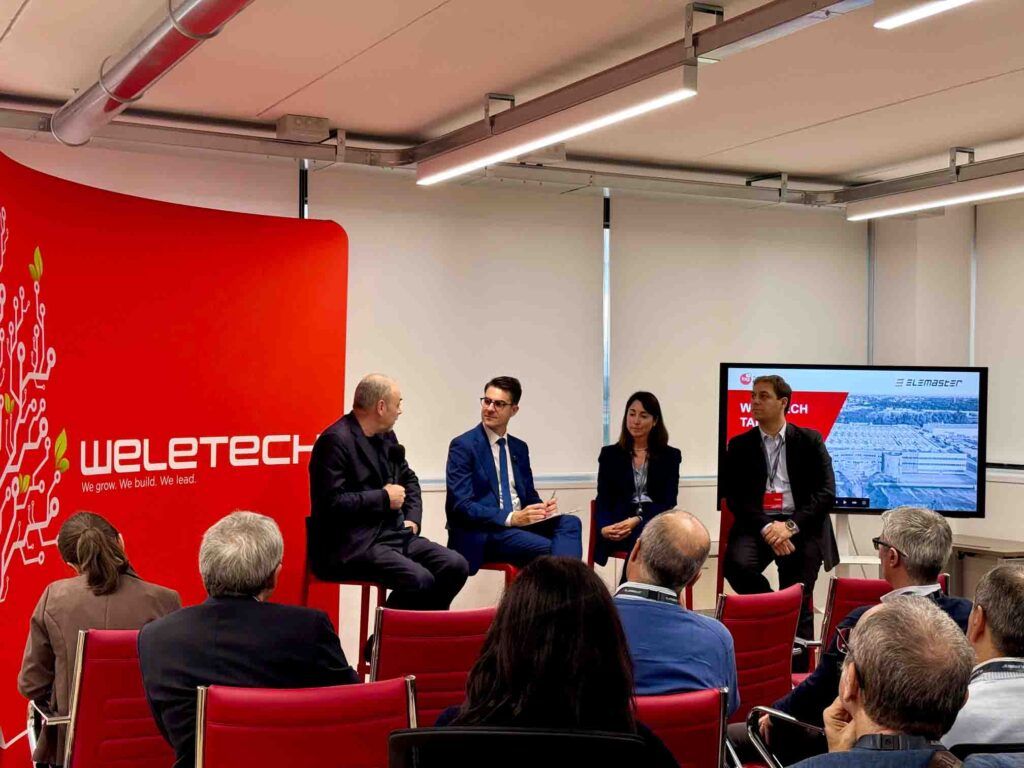
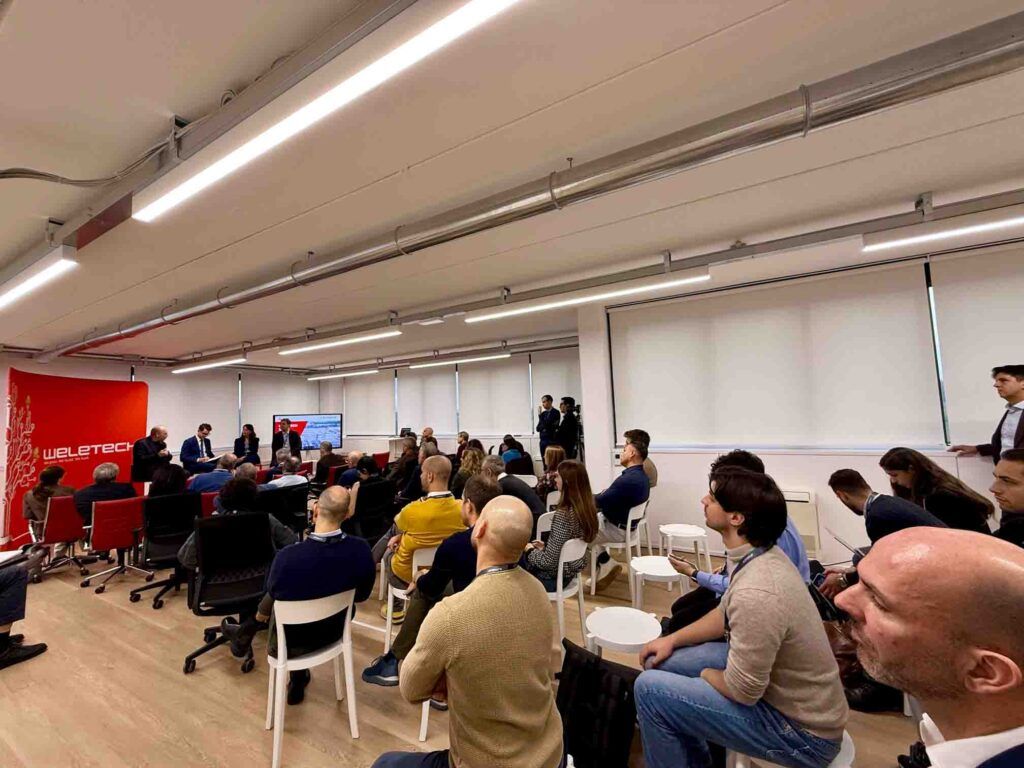
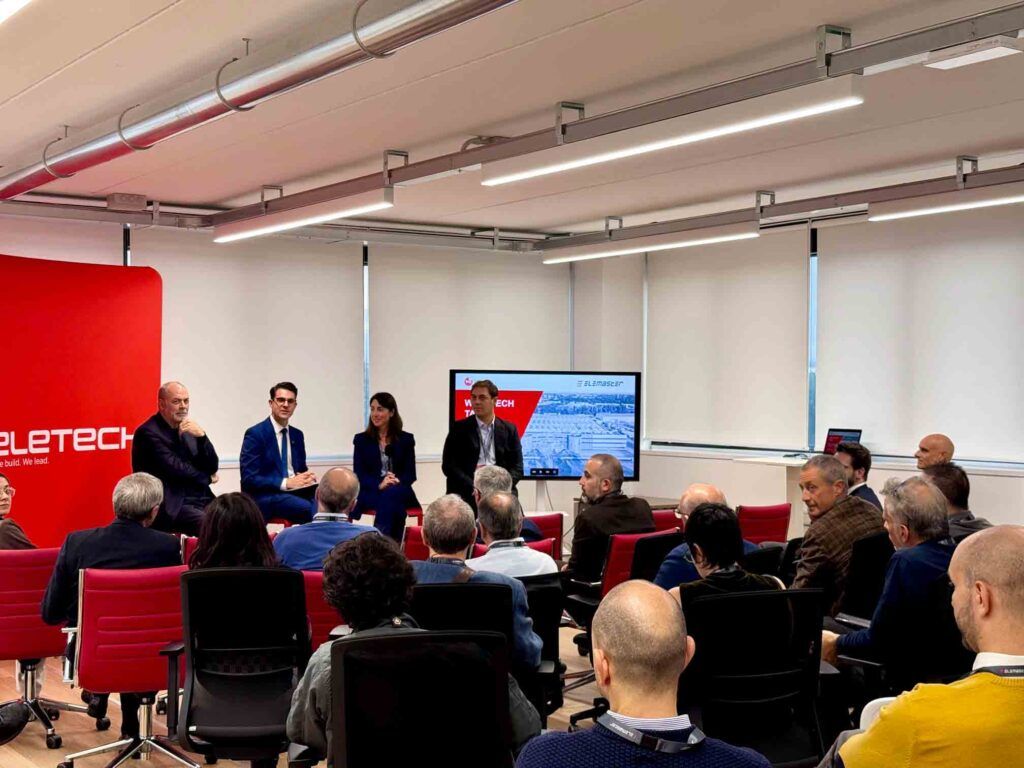
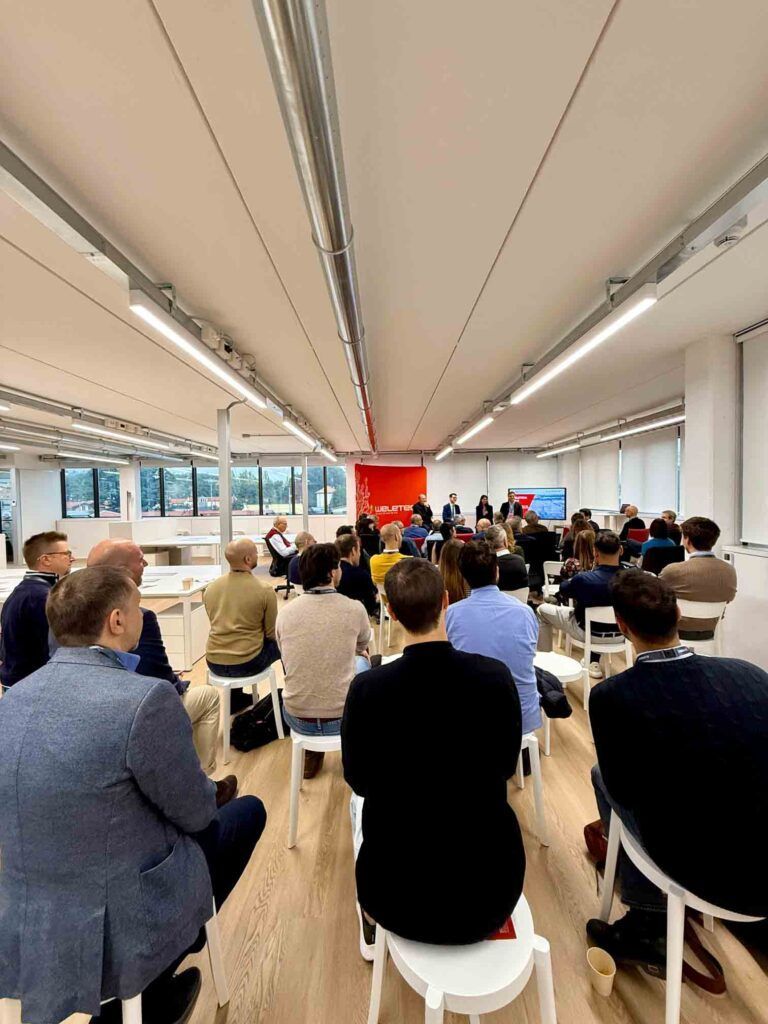
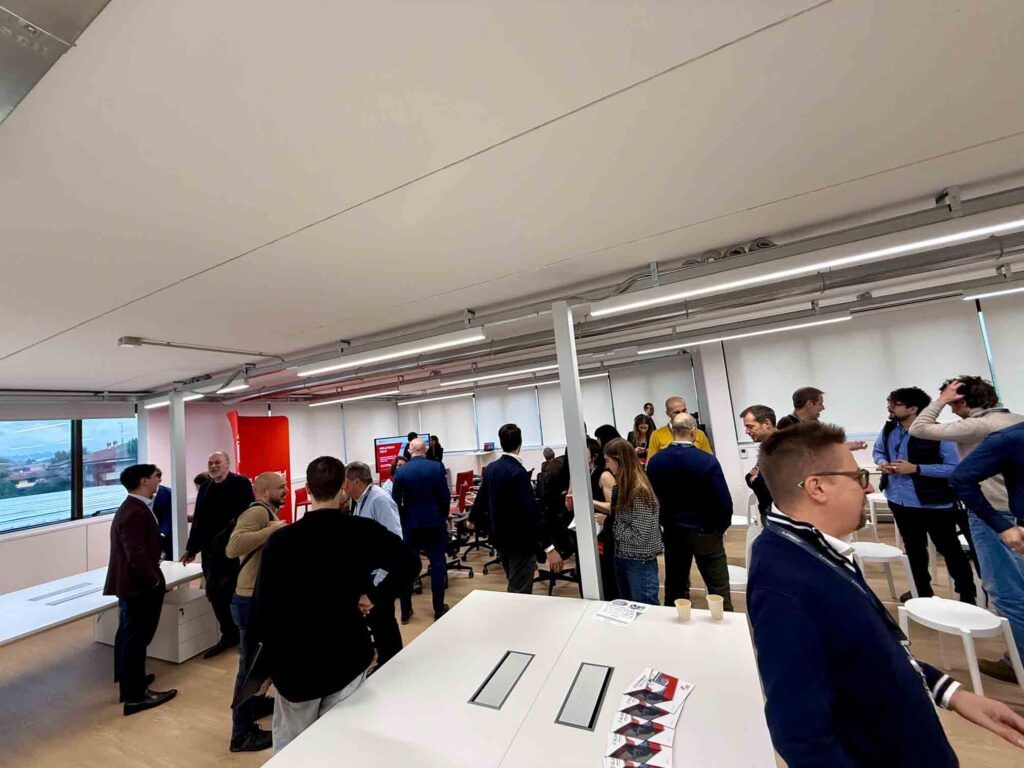
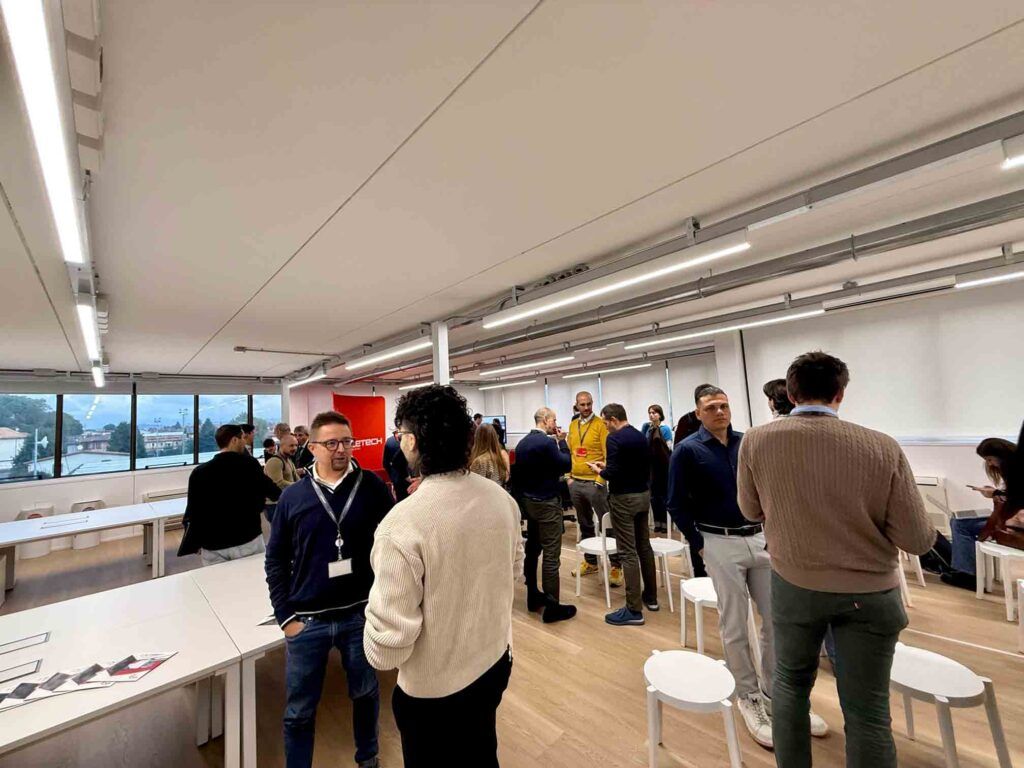
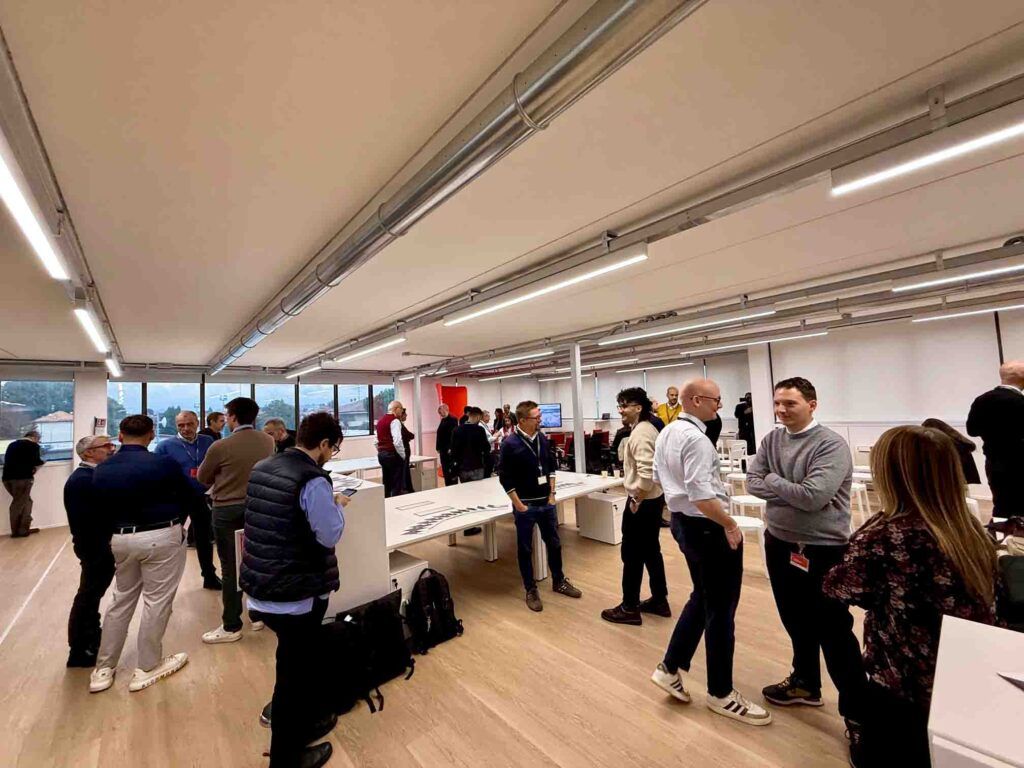
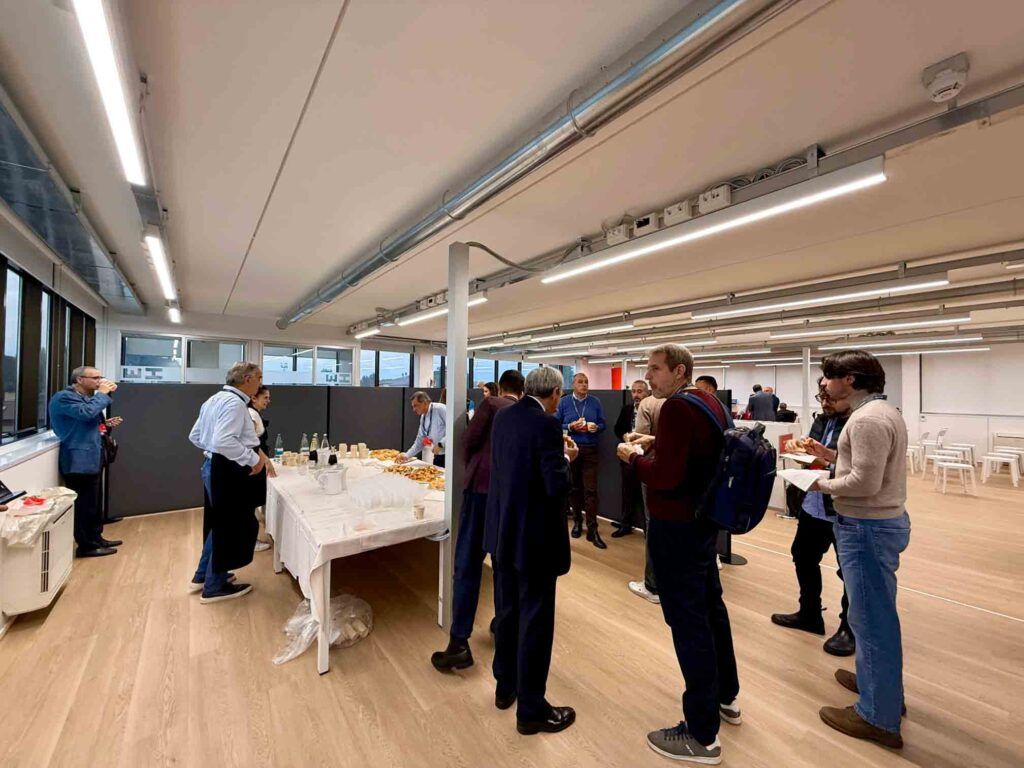
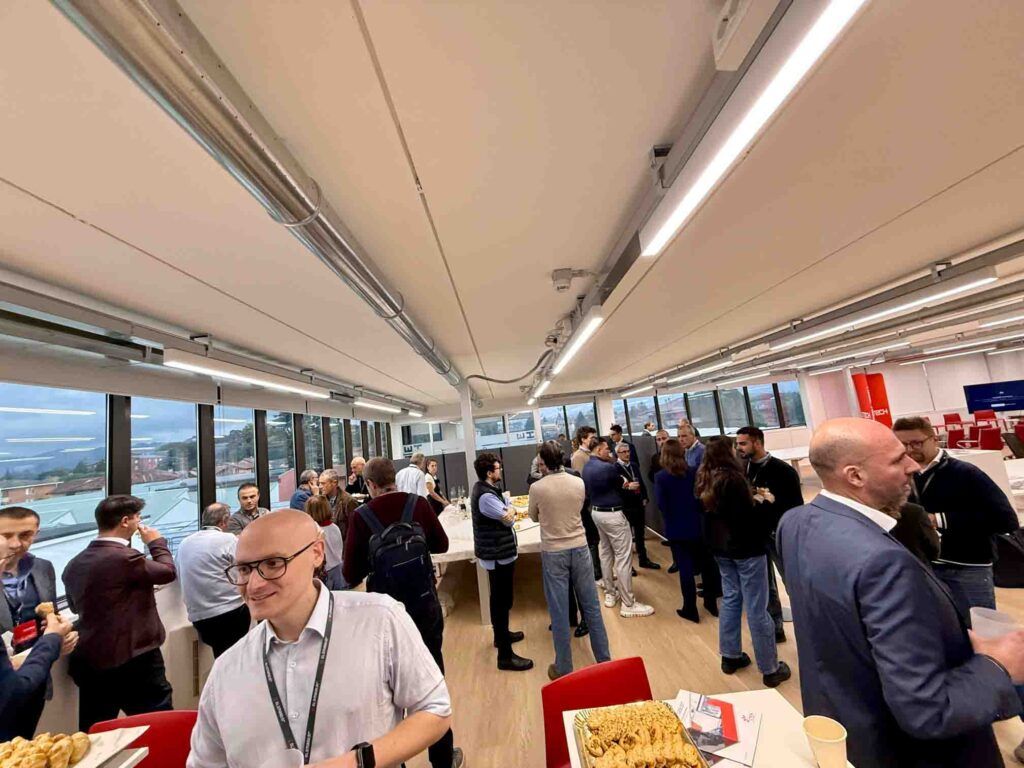
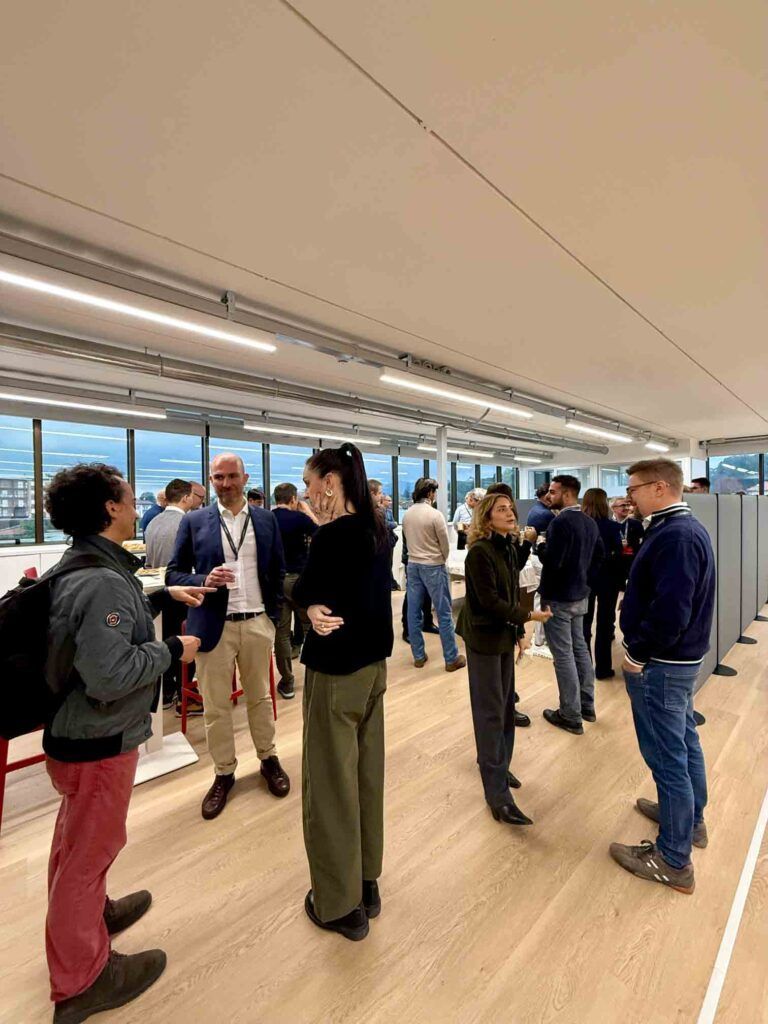
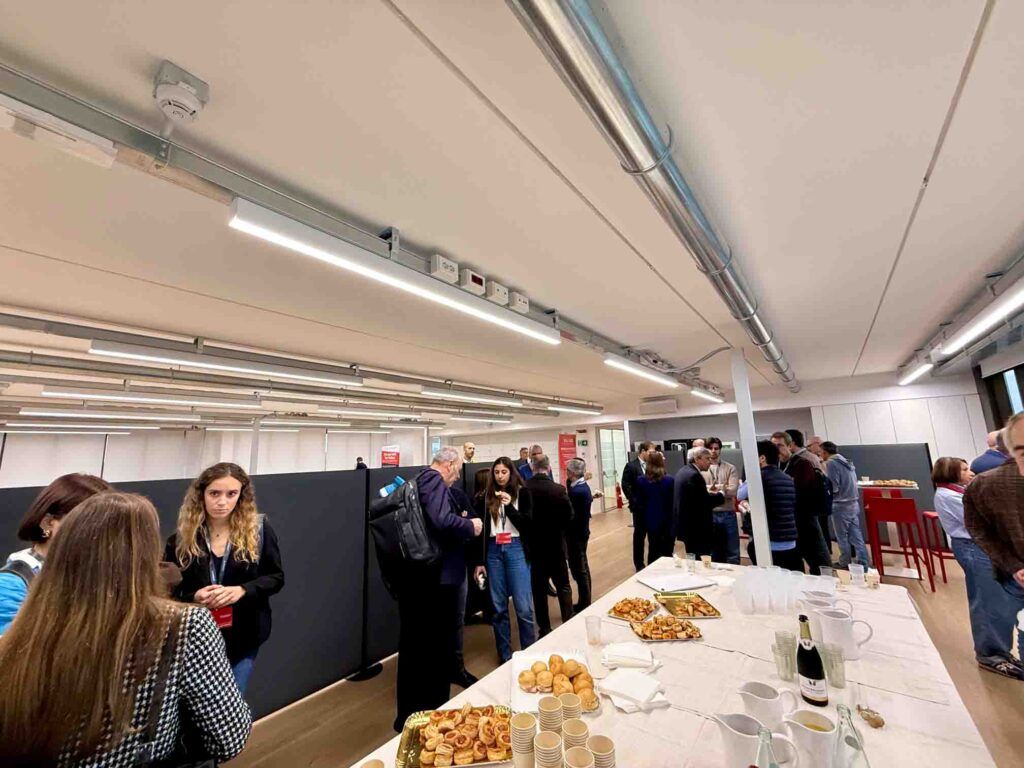
This was the central focus of Weletech Talk #3, “Industry Hardware: the future of electronics for deep tech”, hosted by Elemaster Group on 21 October at Eletech’s headquarters in Osnago, Italy. The event brought together Roberto Siagri, founder of Eurotech and Rotonium, Giorgio Dell’Erba of Fondazione Chips-IT, and Valentina Cogliati, CEO and President of Elemaster Group, to examine the technological, institutional and industrial conditions required to translate deep-tech innovation into competitive advantage. The conversation was moderated by Dario Colombo, Editorial Director of the ESTE publishing group.
Beyond the chip: new computing technologies and Europe’s industrial ecosystem
The discussion addressed two closely connected aspects of technological progress: the development of new computing architectures with the potential to transform industrial applications, and the broader ecosystem needed to bring these innovations into development and manufacturing.
Roberto Siagri, physicist, co-founder and former CEO of Eurotech, and co-founder and CEO of Rotonium, explored the possibilities of bringing quantum computing closer to machines and industrial systems.
Rotonium is developing compact photonic quantum processors, designed to operate at room temperature and intended for edge applications. By combining quantum acceleration with classical computing, these technologies could create new opportunities in industrial optimisation, intelligent sensing and Physical AI, supporting greater autonomy in machines and industrial systems.
“We see quantum computing not as a replacement for classical computing, but as a specialised accelerator working alongside CPUs and GPUs. Our vision is to bring quantum computing beyond the data centre and directly into machines, where decisions need to be made, within the constraints of space, weight and power.”
Alongside these emerging computing technologies, the conversation examined the industrial capabilities needed to support their development. Giorgio Dell’Erba, representing Fondazione Chips-IT, Italy’s national centre for integrated circuit design, focused on the importance of reinforcing the European semiconductor ecosystem.
His contribution explored the relationship between chip design, hardware optimised for artificial intelligence, research institutions and industry, highlighting the importance of collaboration in developing advanced electronic technologies. Within the framework of the European Chips Act, the discussion also addressed the connection between technological sovereignty and Europe’s ability to design, develop and industrialise these technologies.
“Research is the starting point, but building a business requires many other elements, including customers. Even promising technologies can fail without a market. This is where a strong industrial ecosystem, and the customer-centred approach of companies like Elemaster, can make a difference.”
Elemaster’s approach: turning innovation into industrial capability
While research and emerging technologies provide the foundations for innovation, the next step is ensuring that new solutions can be manufactured, tested and supported throughout their lifecycle. This was the perspective presented by Valentina Cogliati, CEO and President of Elemaster Group, who traced the company’s transformation since its foundation in 1978.
From its origins as a specialised electronics supplier, Elemaster has evolved into an international industrial group providing integrated design, engineering, manufacturing and testing services for highly demanding sectors, including medical technology, rail, energy, aerospace and advanced computing.
An important element of this evolution concerns the way the Group collaborates with its customers. Rather than focusing exclusively on manufacturing products according to predefined specifications, Elemaster increasingly contributes from the earliest stages of development. Through co-design, industrialisation and production, the Group combines different areas of expertise to support customers as their technologies and products take shape.
This strategy has also guided the gradual integration of additional capabilities within Elemaster. The recent addition of CR&C and its Repair Centre has extended the Group’s activities beyond production, strengthening its offering in after-sales support, repair and obsolescence management.
“Innovation does not become an industrial reality through a good idea alone. It requires engineering capabilities, manufacturing expertise and a supply chain that can turn that idea into a reliable product. This is the model we have built at Elemaster: we innovate for our customers, working alongside them from design to production and throughout the product lifecycle. Our strength lies in bringing together the skills and resources they need to bring new technologies to market,” said Valentina Cogliati, CEO and President of Elemaster Group.
Connecting expertise across the innovation ecosystem
Another important theme emerging from the discussion was the role of collaboration in accelerating technological innovation. Developing advanced hardware requires competencies that frequently extend beyond electronics alone. Mechanics, materials, optics and specialised components can all become essential parts of the development process. The challenge, therefore, is not simply finding access to these capabilities, but ensuring that they are effectively coordinated throughout product development.
This becomes particularly relevant for startups and emerging deep-tech companies. The transition from a functioning prototype to an industrially viable product involves critical decisions concerning product architecture, component selection, production costs and supply chain organisation, often at the earliest stages of development.
Elemaster has structured its approach to this challenge through Elevo Innovation Hub, an initiative designed to connect selected startups with the Group’s industrial expertise and support their progression towards manufacturable products. The initiative is part of a broader collaboration model involving customers, suppliers, universities, research centres and technology partners, bringing together complementary capabilities across the innovation ecosystem.
The discussion also highlighted how achieving technological autonomy depends on more than the development of strategic technologies such as semiconductors. It also requires attention to the materials, production processes and industrial networks that enable those technologies to become industrial solutions.
For Elemaster, this perspective connects the evolution of its industrial model with the wider transformation of the deep-tech landscape. Integrating research, technological development and manufacturing is not simply a way to accelerate innovation. It is the foundation for transforming emerging technologies into reliable products and enabling them to move beyond research laboratories to become part of the industrial economy.