When regulatory compliance becomes a driver of quality and technological growth
In the world of medical devices, the Medical Device Regulation (MDR) introduced by the European Union has significantly reshaped the approach to design, production, and market placement. Unlike the previous directive, MDR imposes extended responsibility throughout the entire lifecycle of the device, from design through to post-market surveillance.
For many companies, this has meant a restructuring of internal processes and increased documentation complexity. However, for those who operate with methodology and long-term vision, MDR is proving to be not merely a barrier to overcome, but a concrete opportunity for structural growth and strengthened reliability.
Achieving compliance with regulatory standards can become a lever to enhance design quality, optimise internal workflows, and build more robust, safer, and industrialisable devices from the concept stage onwards.
Integrating compliance into design: not a choice, but a methodology
The first mistake to avoid is treating MDR certification as an “end-of-project task” to be addressed in the final months of development. In reality, the opposite is true: designing for compliance means building a process from the outset that incorporates standards like ISO 14971, IEC 62304, and IEC 60601—not only to comply with them, but to use them as tools for conscious engineering.
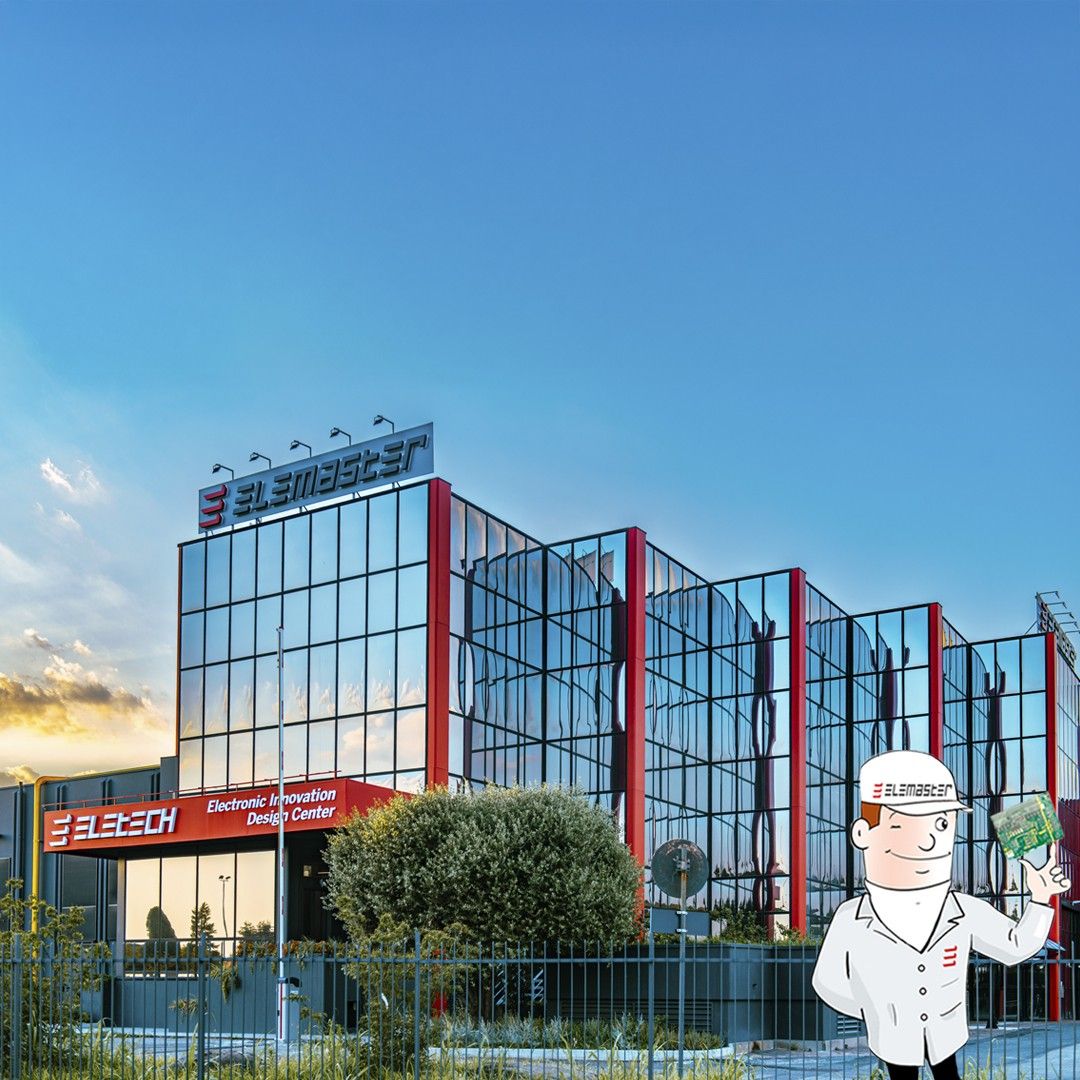
Eletech, the company heading the International Design Centers, the R&D division of the Elemaster Group has adopted this approach across every phase of its R&D workflow, combining electronic and embedded engineering expertise with a deep focus on regulatory, procedural, and documentation aspects.
The adoption of tools such as:
- risk analysis integrated into the lifecycle (ISO 14971)
- medical software lifecycle management according to IEC 62304
- design for electrical and functional safety (IEC 60601)
- pre-compliance testing in an ISO 17025-accredited laboratory
enables not only regulatory readiness, but also the production of technical documentation and design verifications that strengthen the value of the device itself.
Structured design also streamlines regulatory approval
A project that is compliant with standards is not simply “safer”—it is also more readable, defensible, and scalable.
Having access to complete traceability of design decisions, documented revisions, simulation-based tests, and certified technical validations means being able to communicate with notified bodies and regulatory authorities clearly and without ambiguity.
This vision is fully embedded in Eletech’s development process: each device is conceived with a Design for Compliance mindset, in which quality is built in, not just declared.
For example, integrating Hardware-in-the-Loop (HIL) systems into the testing cycles is not just a functional requirement—it allows for the simulation of real-world use scenarios and the ability to demonstrate in certification processes how the system reacts to environmental and clinical stimuli under control.
Innovating within constraints: a higher form of innovation
One of the most common criticisms of MDR relates to the extended time required for certification and the perceived slowdown of rapid innovation cycles. However, this point should be viewed in a broader context.
Designing with compliance in mind does not mean “less innovation”—it means better innovation, with greater technical awareness, stronger methodological foundations, and a clear perspective on international scalability.
It is easy to “speed up” development by postponing risk management or ignoring regulatory implications. But this very acceleration often hides systemic errors, delays in certification, and—worse—inability to industrialise the product at scale.
Adopting standards like IEC 62304 for software, and integrating them into rapid prototyping processes, enables Eletech to genuinely reduce time-to-market, precisely because each development phase is already aligned with regulatory requirements through method and discipline.
Compliance and industrialisation: two sides of the same process
In Eletech’s operational model, compliance is just one part of the picture. The other critical dimension is manufacturing readiness, which is ensured through direct collaboration with the industrial divisions of Elemaster Group.
Thanks to the integration of design and manufacturing, each device is developed to be:
- manufacturable according to DFM/DFA/DFT principles
- testable in production lines
- scalable across markets with varying levels of regulatory requirements
In this way, compliance is not a limitation, but a driver towards more mature products, ready to be certified, industrialised, and distributed globally.
MDR: from constraint to driver of structured innovation
Now more than ever, MDR certifications represent an opportunity to innovate with awareness.
In a medical market that demands safety, transparency, and verifiable quality, those who know how to design for compliance gain a competitive advantage that is both technical and strategic.
Through its integrated approach, Eletech, the lead company of the International Design Centers, R&D division of Elemaster Group, guides each project towards structured, certifiable, and industrialisable innovation, transforming regulatory obligations into a concrete lever to improve the entire development lifecycle.