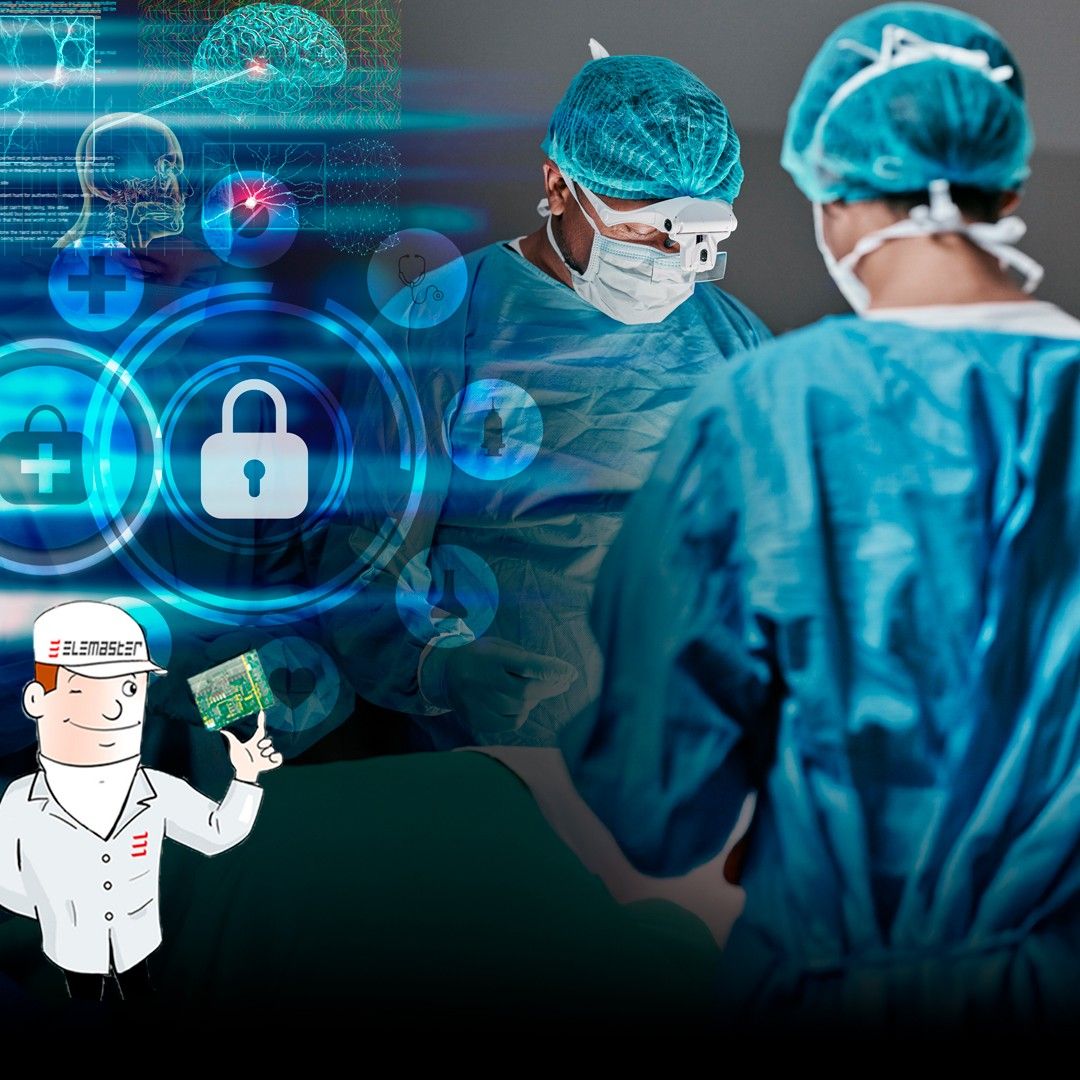
In an industry where precision, reliability, and patient safety are paramount, the role of embedded software in medical devices cannot be overstated. Modern medical equipment increasingly relies on sophisticated software systems that connect seamlessly to hospital networks, healthcare providers, and patients. But as connectivity grows, so do the potential risks. Cybersecurity has become not just a technical requirement, but a critical pillar of trust for all stakeholders.
The intersection of software and medical device performance
Software serves as the operational backbone of many advanced medical devices, from imaging systems to life-sustaining equipment. The code running within these devices controls essential functions, including diagnostics, monitoring, and therapeutic interventions. It’s not just about functionality—it’s about ensuring the highest levels of accuracy, reliability, and safety. A single software bug can have far-reaching consequences, impacting both patient outcomes and regulatory compliance.
Cybersecurity challenges in connected healthcare
As medical devices become increasingly interconnected, they also become more vulnerable to cyber threats. Hackers targeting healthcare networks can attempt to access sensitive patient data, disrupt device functionality, or even compromise critical systems. This puts pressure on manufacturers to integrate robust cybersecurity measures into their product designs. From encryption protocols to secure boot processes, every line of code must be scrutinised and tested to withstand potential attacks.
The regulatory framework: IEC 62304 and beyond
Compliance with industry standards such as IEC 62304 is a baseline requirement for medical device software development. This international standard defines the lifecycle processes for medical device software, ensuring that risk management, validation, and verification are integral to every stage of development. By following these guidelines, manufacturers can systematically identify, mitigate, and document potential vulnerabilities.
But meeting IEC 62304 is only the beginning. Cybersecurity frameworks and guidelines from agencies such as the FDA and the European Union’s Medical Device Regulation (MDR) provide additional layers of protection. These frameworks outline best practices for securing data transmission, implementing access controls, and monitoring systems for suspicious activity. Adhering to these evolving standards ensures that medical devices remain secure throughout their lifecycle.
How Elemaster Group embeds security into software development
Elemaster Group takes a comprehensive approach to software development for medical devices, emphasising both quality and security. Every project begins with a rigorous risk assessment to identify potential vulnerabilities. The development team then implements secure coding practices, advanced encryption methods, and authentication protocols that safeguard data integrity.
In addition, Elemaster Group performs continuous testing and validation of software components under real-world conditions. Automated testing environments simulate network intrusions, data breaches, and system failures, allowing engineers to strengthen defences before deployment. By embedding security into every phase of development, the company delivers reliable, compliant, and future-ready software solutions.
From secure software to better patient outcomes
Ultimately, robust cybersecurity and dependable software mean more than compliance—they mean better patient outcomes. With reliable software, healthcare professionals can trust that their devices will function accurately and consistently, even in critical situations. This trust is crucial for making informed decisions, providing timely interventions, and ensuring the highest standards of care.
The path forward: staying ahead in a rapidly evolving landscape
As the medical device landscape continues to evolve, so too will the cybersecurity challenges that come with it. New technologies, from artificial intelligence to advanced connectivity solutions, will require even more sophisticated security measures. By maintaining a proactive stance—adapting to new threats, adopting best practices, and continuously improving development processes—manufacturers can keep pace with the demands of the healthcare industry.
In this dynamic environment, Elemaster Group remains a trusted partner for the medical sector, delivering secure, reliable software solutions that support both innovation and safety. By prioritising cybersecurity and software excellence, the company is helping to shape a more secure future for medical technology.